This post will follow the route (loosely an anti-clockwise loop) on the Wandering Sprocket map and highlight key points of interest in order of the walk.
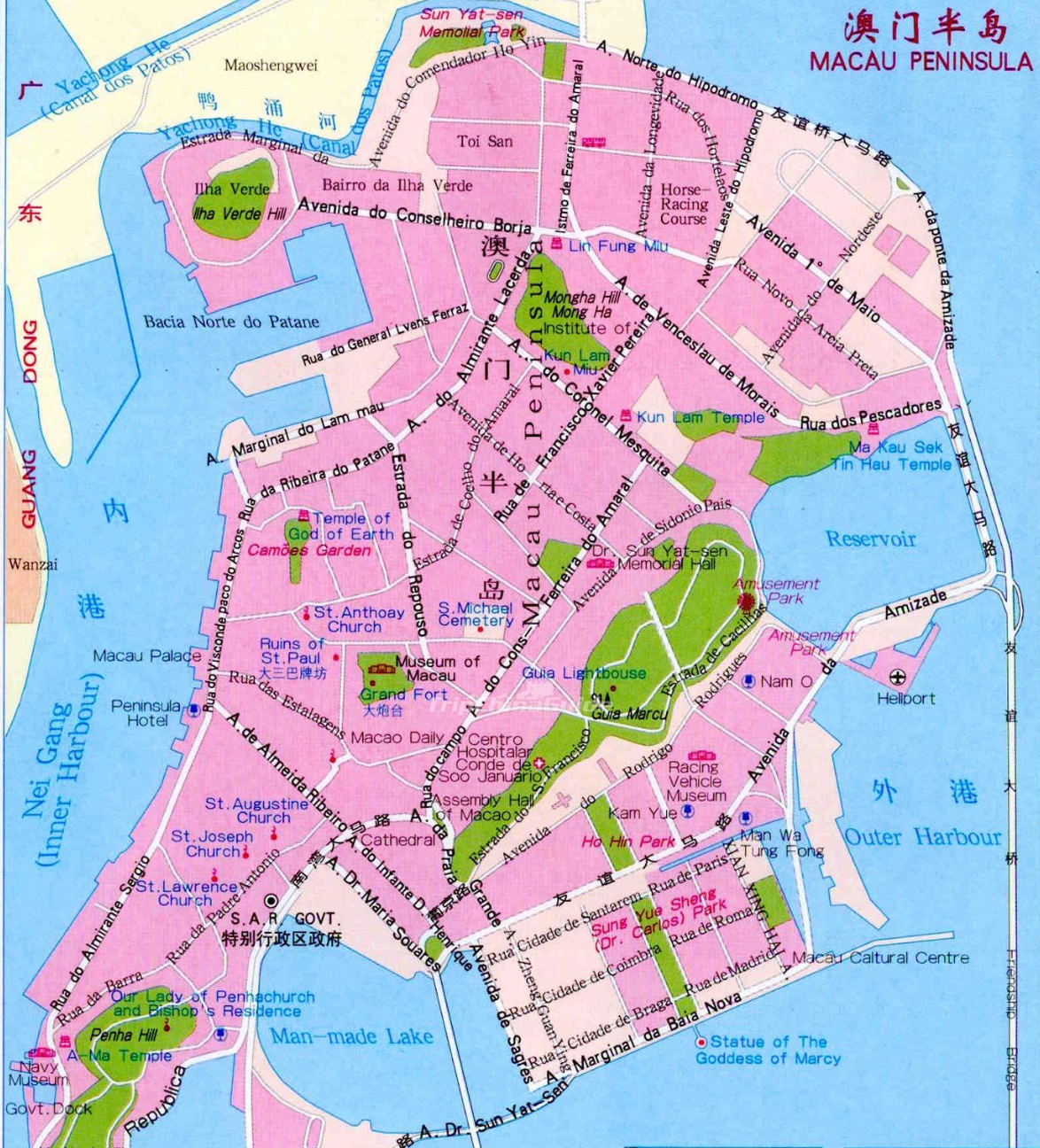
https://thewanderingsprocket.com/wp-content/uploads/2026/05/Tourist-Map-of-Macau-Peninsula.webp
The beginning of walking the Macau Peninsula was along the waterfront which, in 1996, was not nearly as developed as it is today. If you find yourself in Macau and walking this area you can visit the Macau Science Centre, Macau Fisherman's Wharf including a replica Roman amphitheatre and nearby Macau Grand Prix Museum.
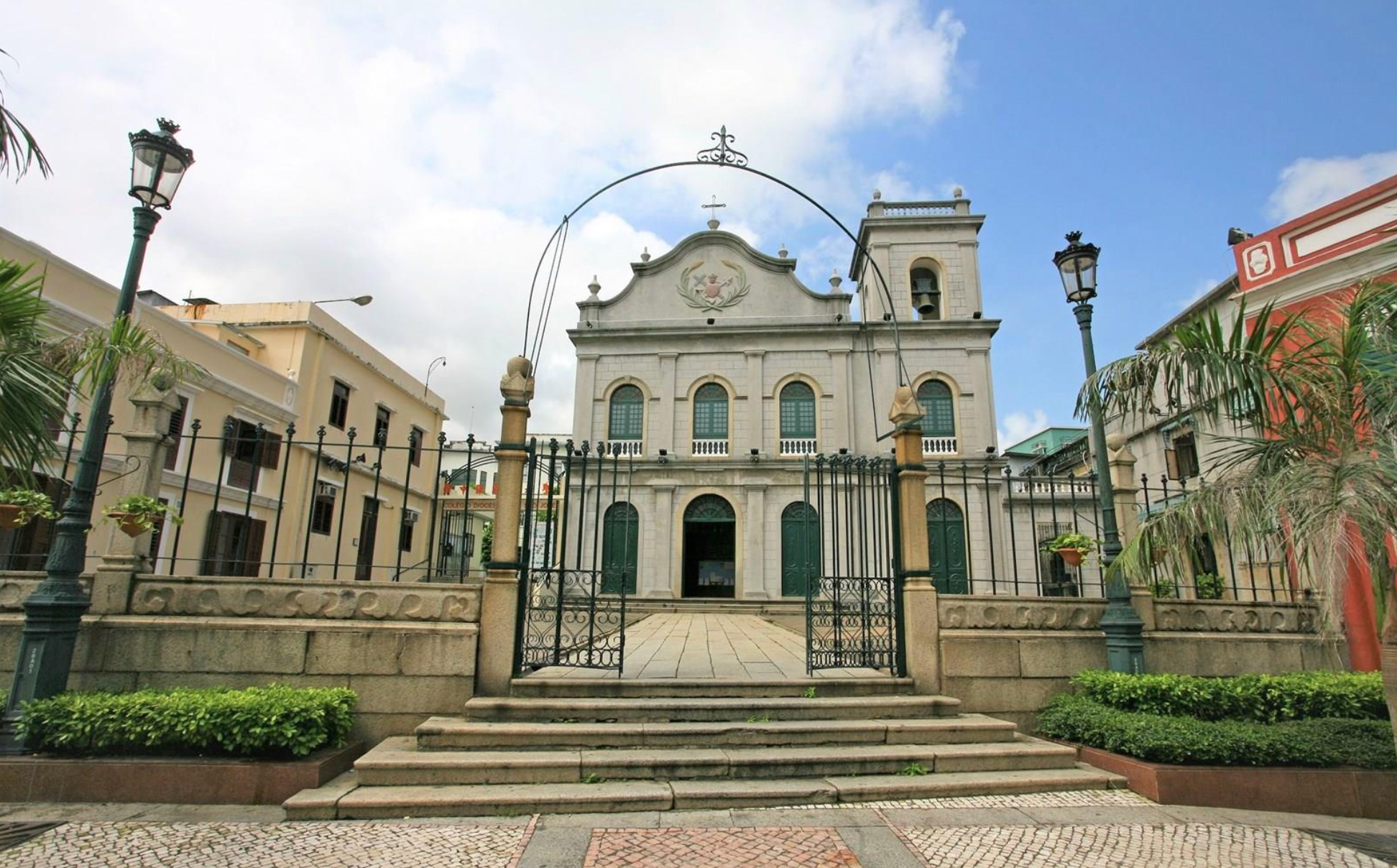
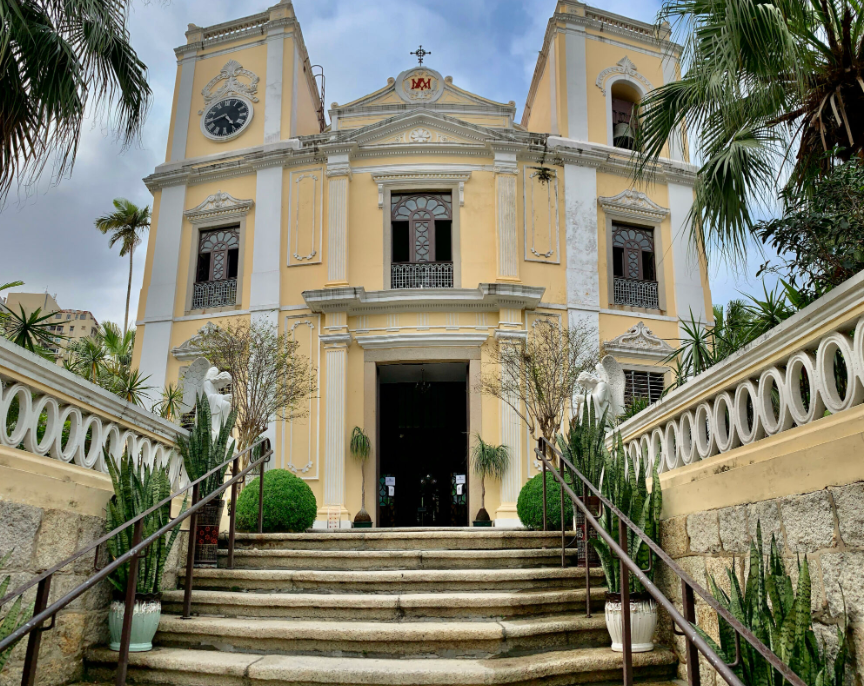
St. Lazarus' Church was originally built between 1557 and 1560, it is one of the oldest churches in Macau, although it was completely rebuilt in 1885. It currently serves as the main church of the St. Lazarus parish. The location is charming with paved or cobblestone streets and narrow laneways around plus close proximity to St. Michaels Chapel, Monte Forte and the Ruins of St. Paul's.
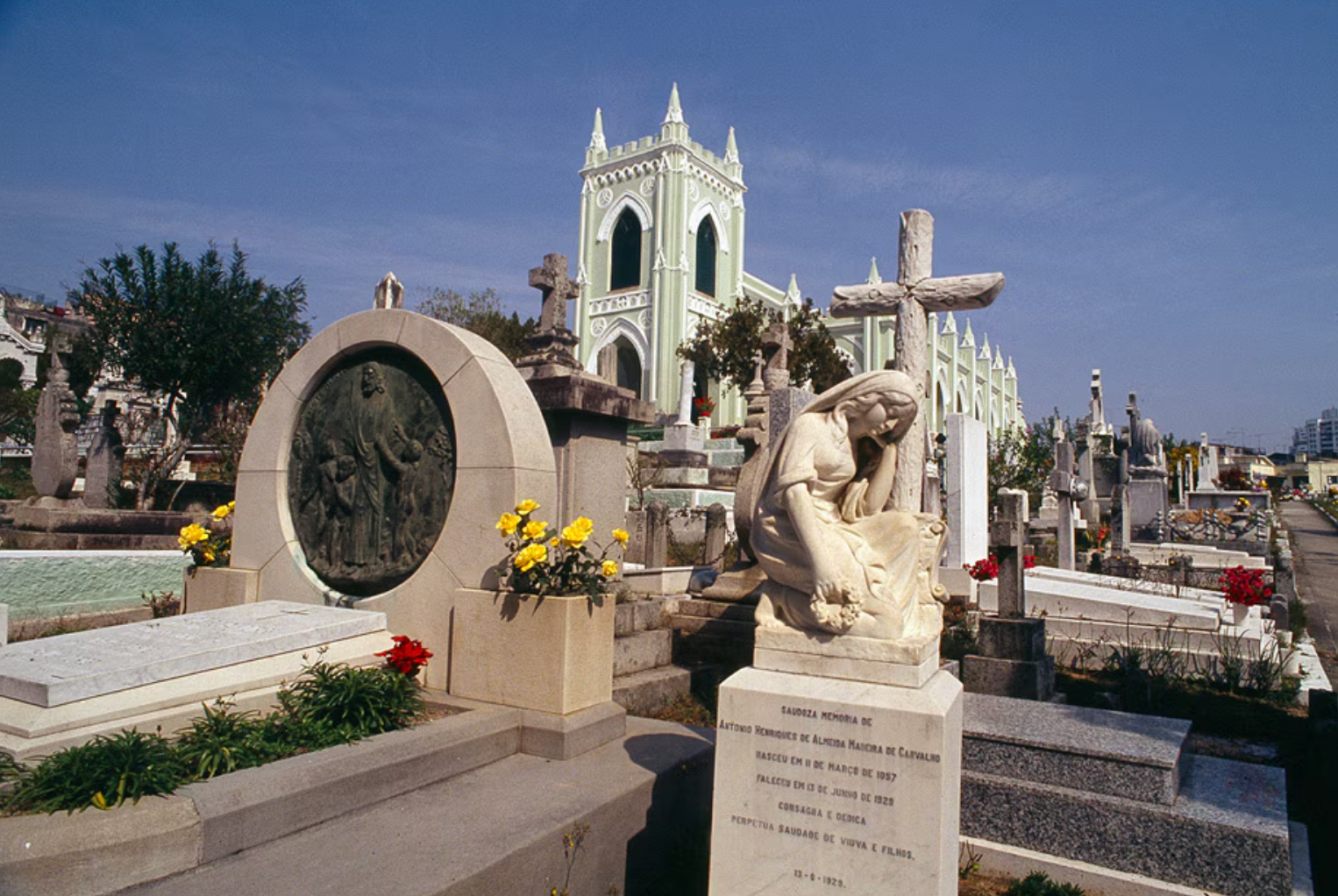
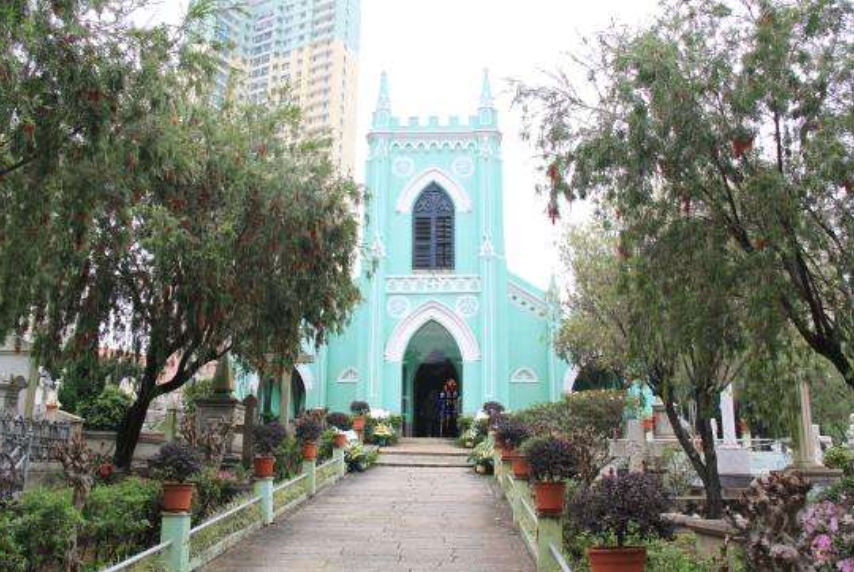
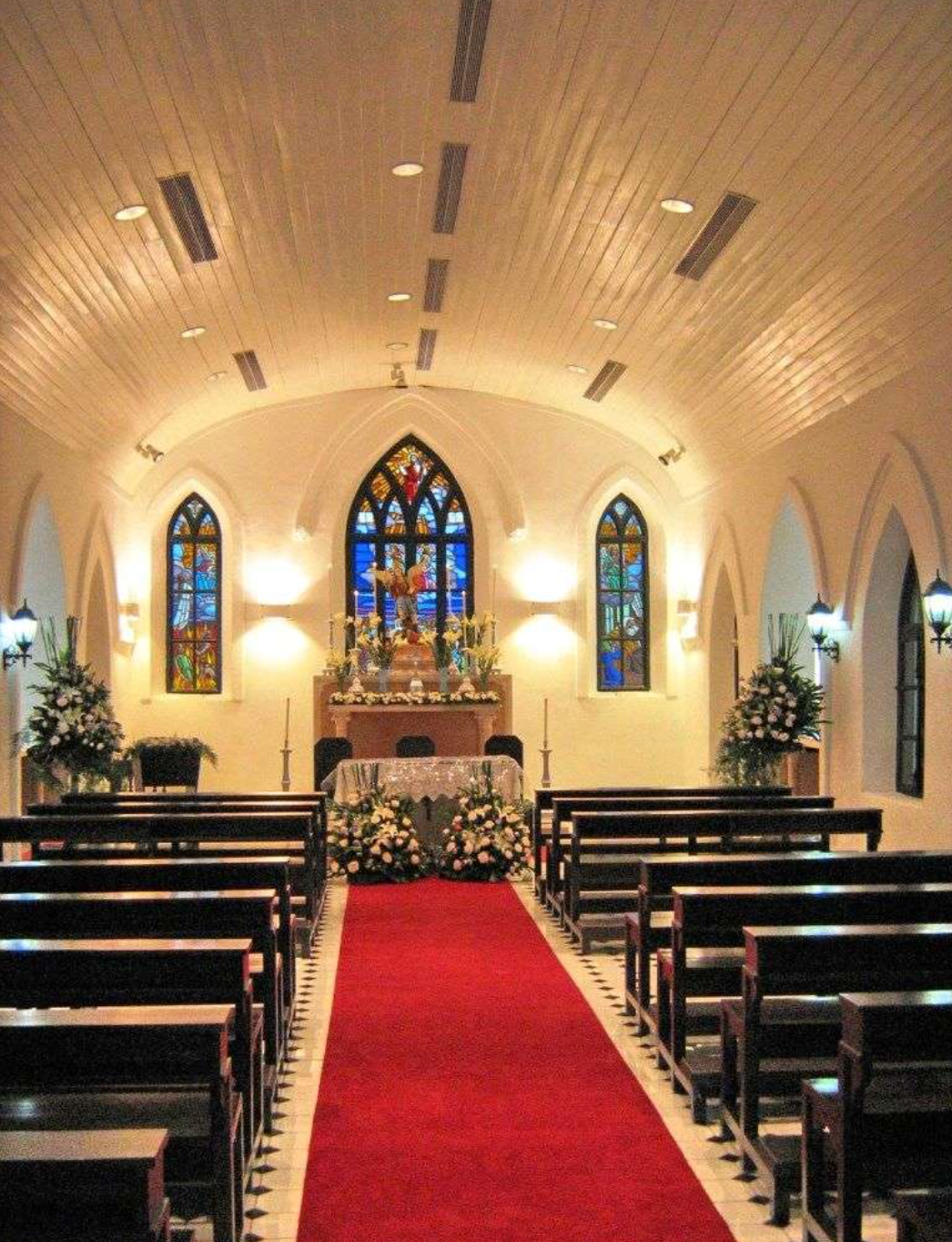
St. Michael the Archangel Chapel and Cemetery is of Catholic faith and built in 1875. Its exterior is painted green and white, whilst its stained-glass window filters coloured light into the chapel.
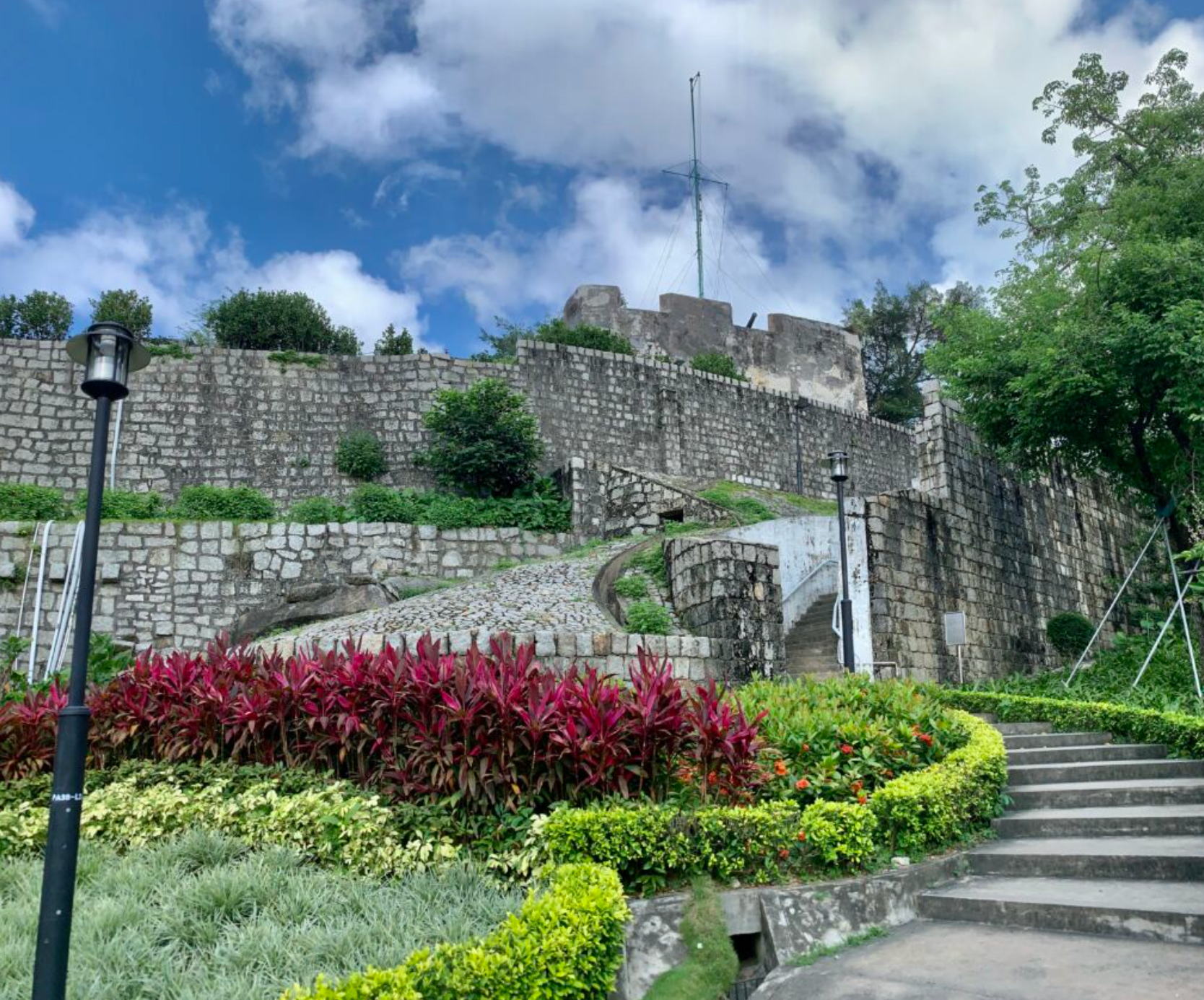
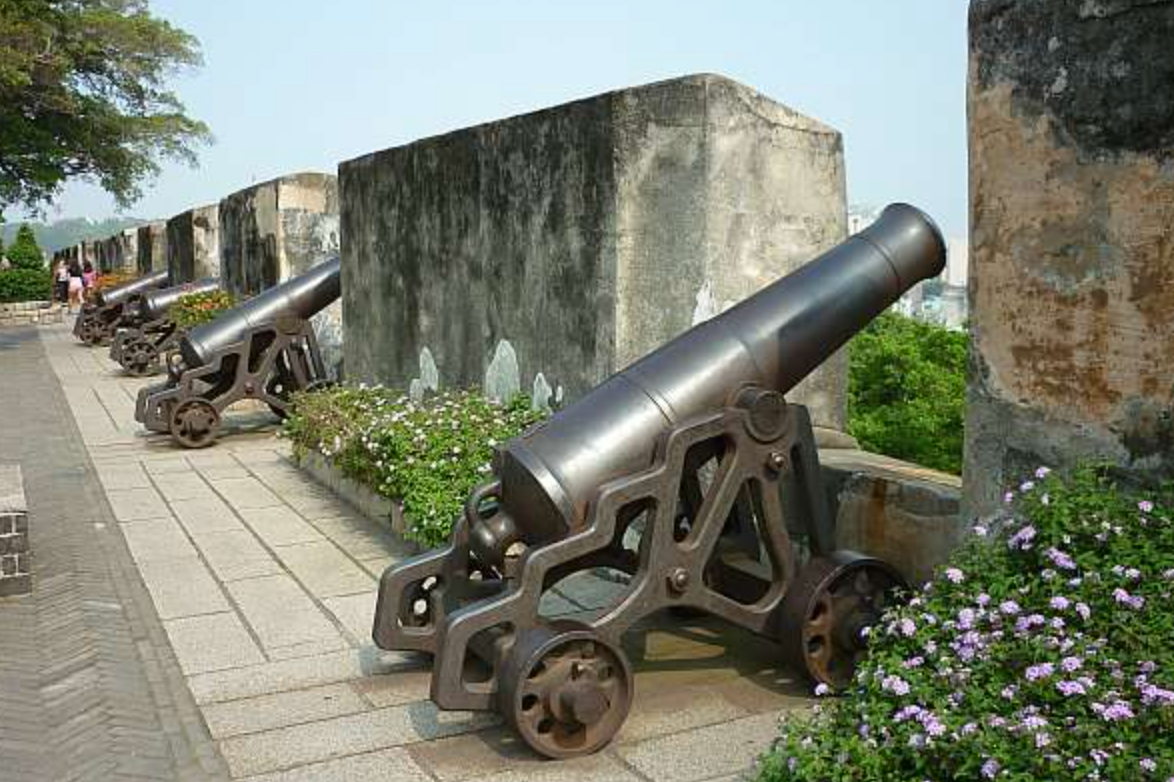
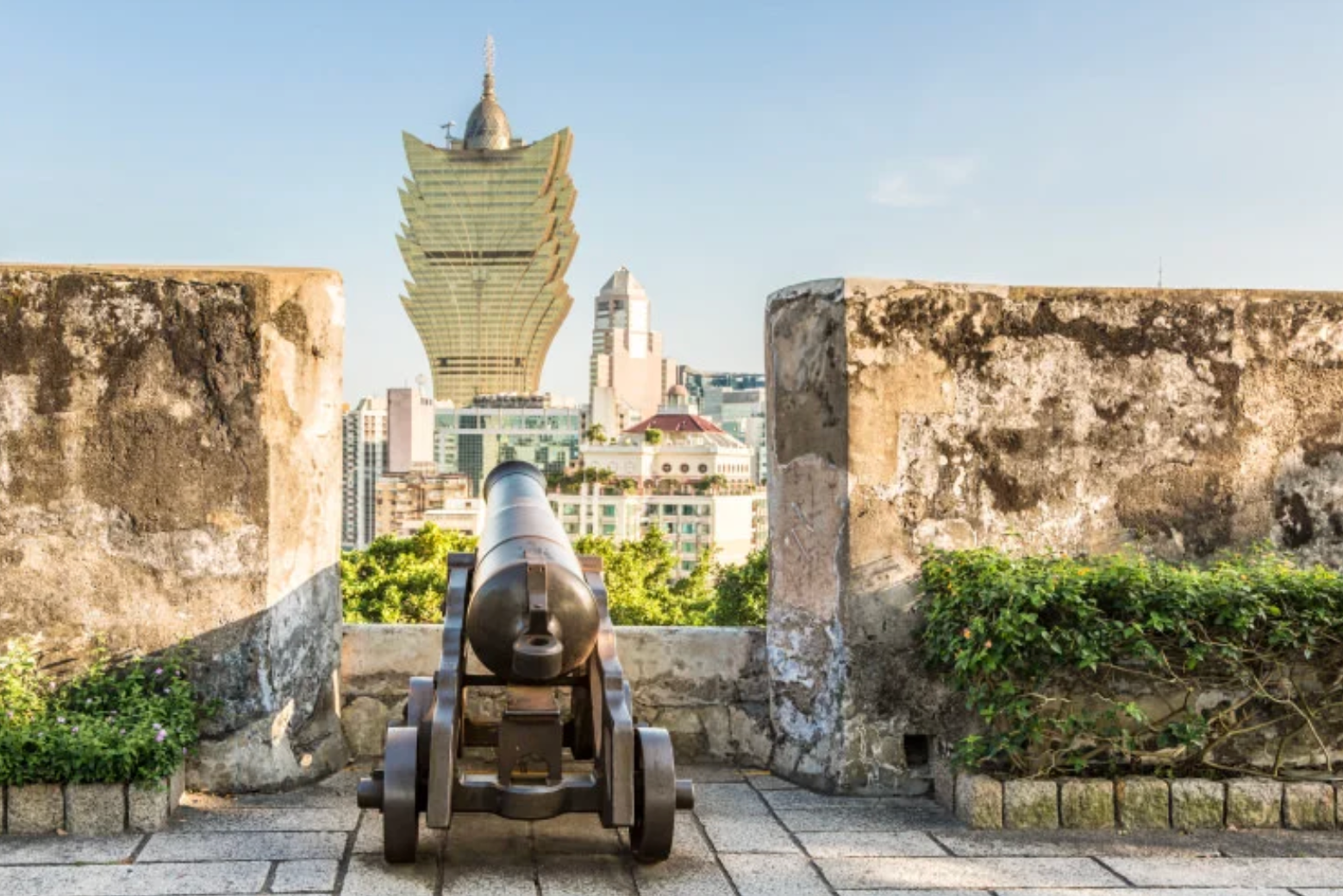
Fortaleza do Monte or Mont Forte is a seventeenth century fortification. Built from 1616 to 1626, Fortaleza do Monte was a Jesuit defensive system. The cannons of Fortaleza do Monte, which can still be seen there today, were used on only one occasion in 1622, in which they defeated the Dutch. Fortaleza do Monte later became the home of the first Portuguese community in Macau.
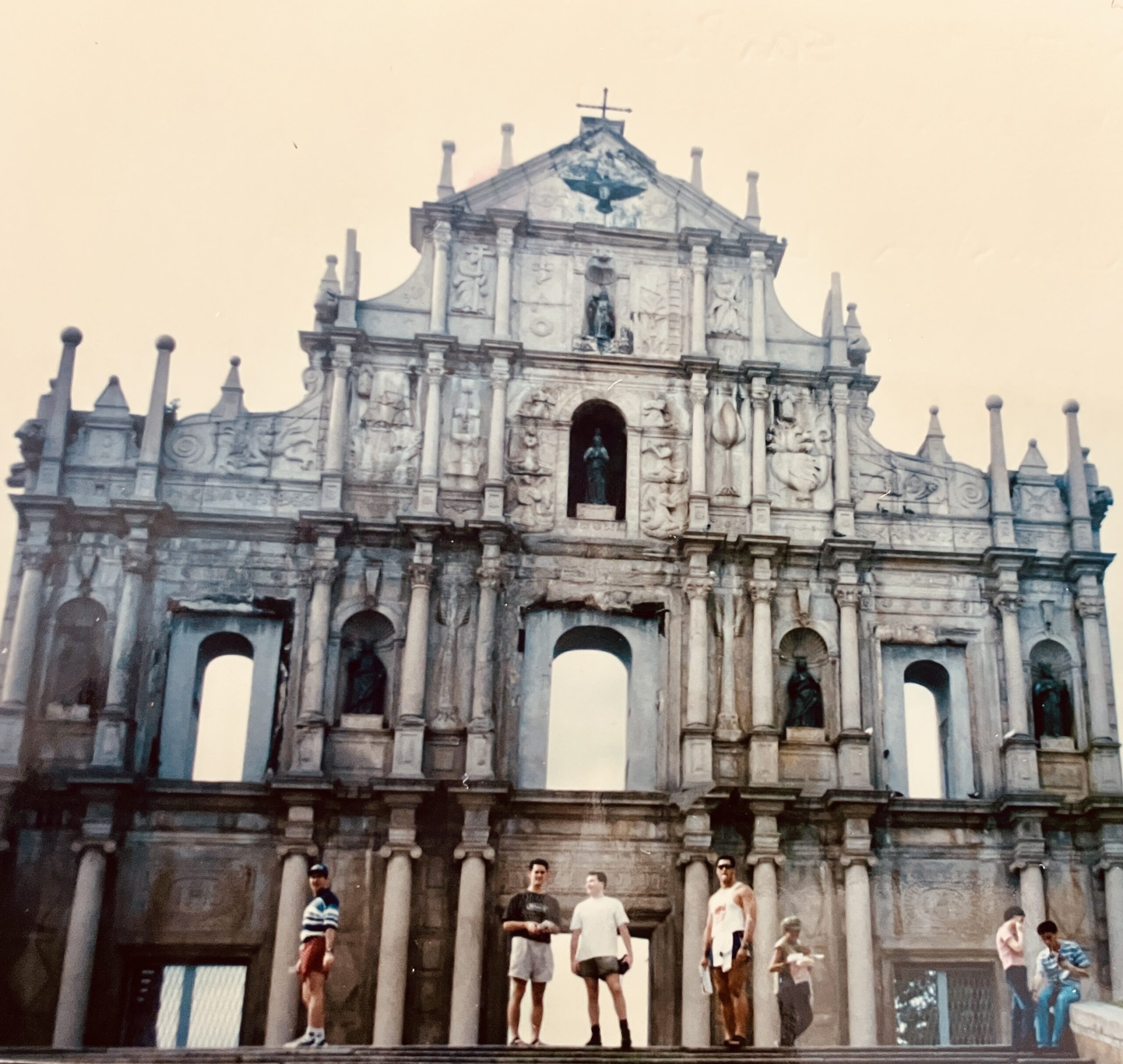
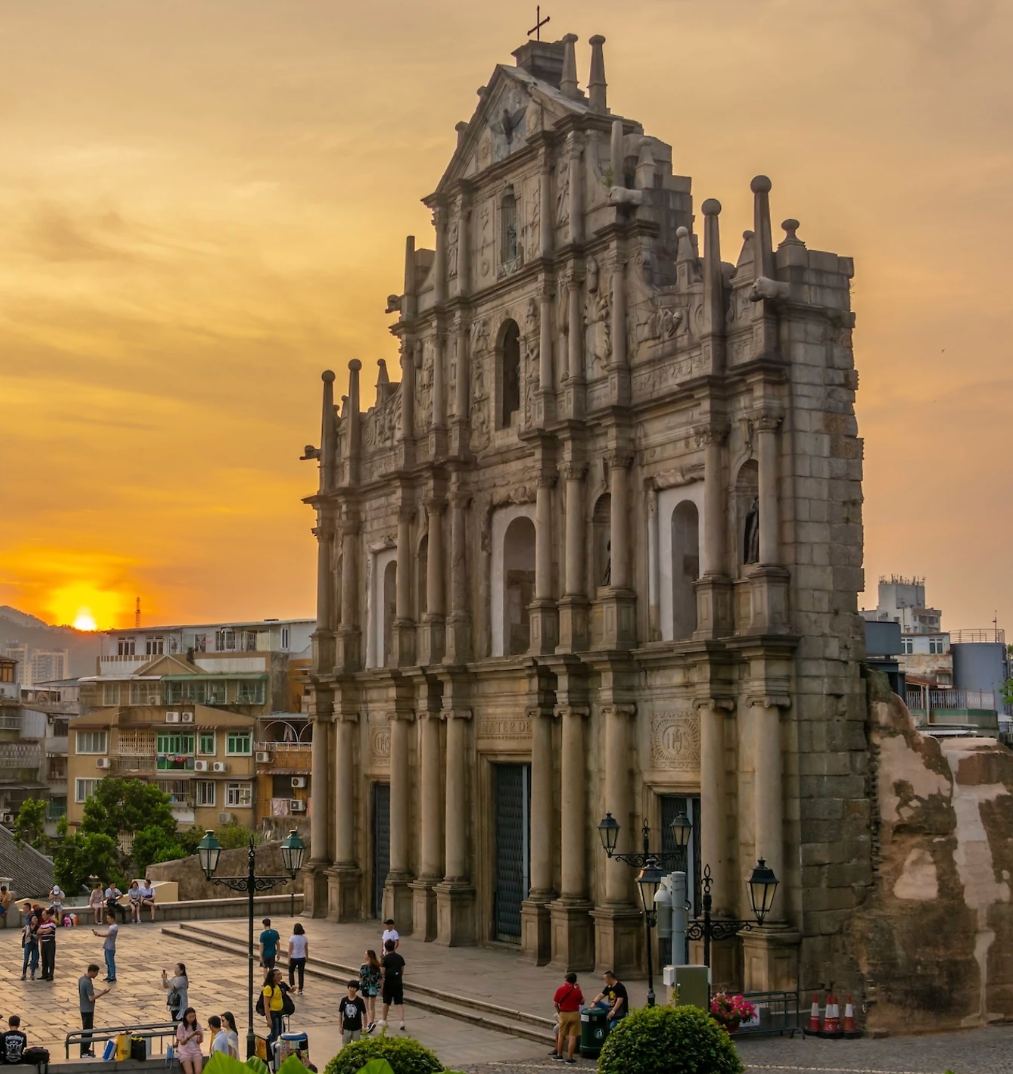
The Ruins of Saint Paul's is the foremost tourist attraction in Macau... other than casinos! They are the remnants of a 17th-century Catholic religious complex in Santo António, Macau. They include what was originally St. Paul's College and the Church of St. Paul, also known as "Mater Dei", dedicated to Saint Paul the Apostle. The Church of St. Paul was destroyed by a fire during a typhoon on 26 January 1835.
The photo below was taken during our visit in July 1996, with Seb, Lach, me and Rob at the top of the steps.
https://thewanderingsprocket.com/wp-content/uploads/2026/05/IMG_2059-scaled.jpg
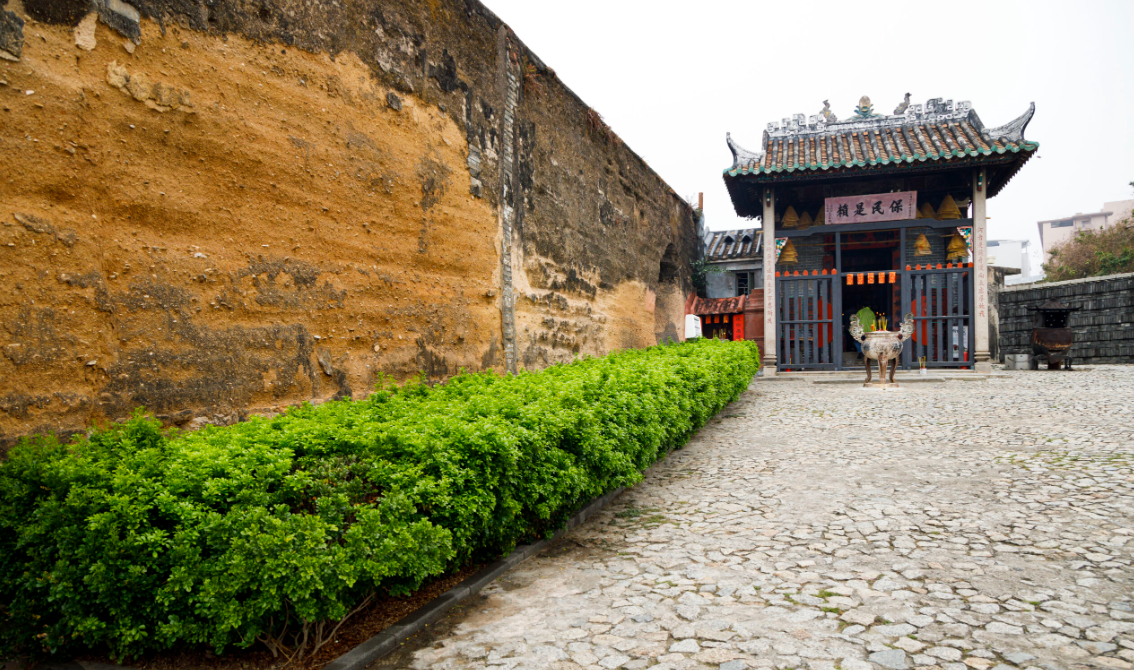
Illustrating the fascinating mix of Portuguese and Chinese influences, directly behind to the left of the Ruins of St. Paul's is the Na Tcha Temple, which is a Chinese Taoist temple built in 1888 against the Old City Walls built by the Portuguese.
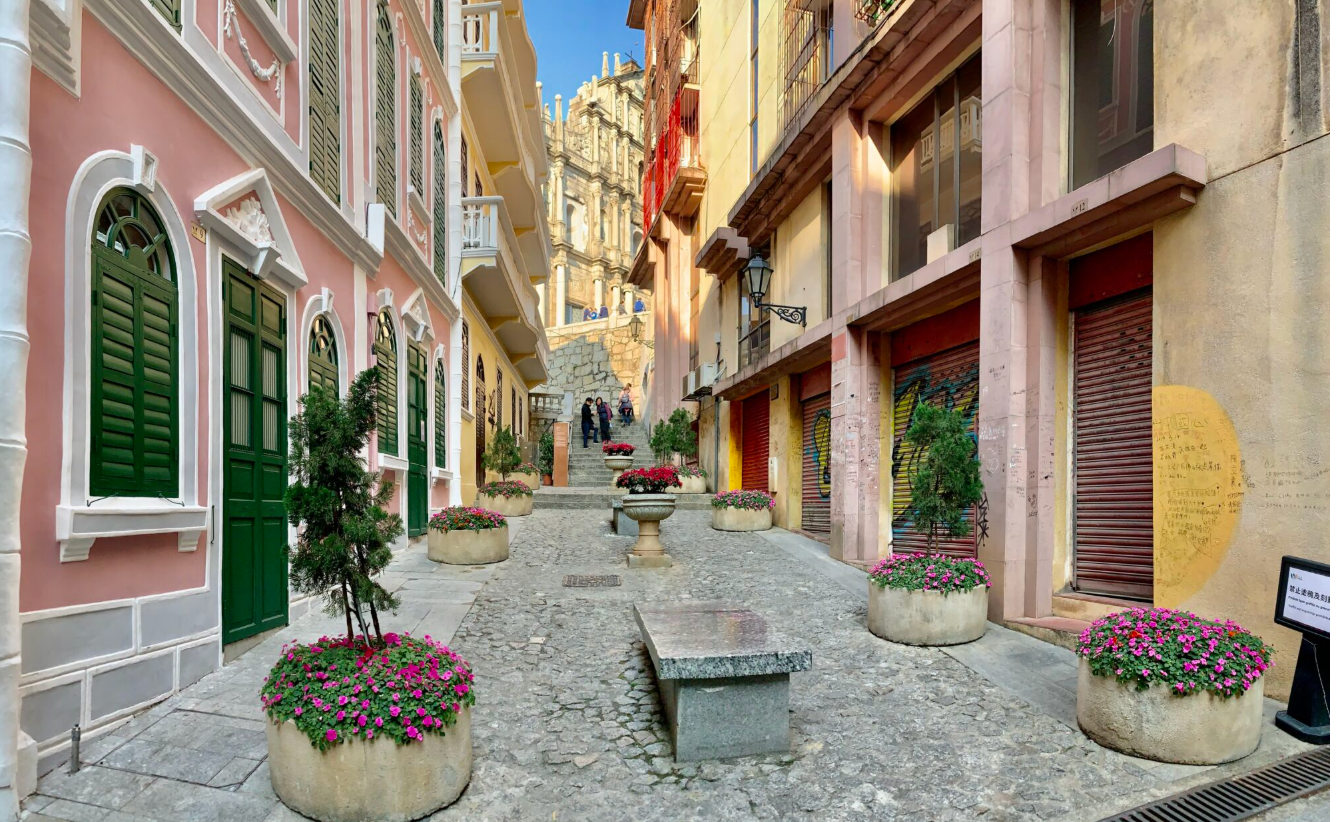
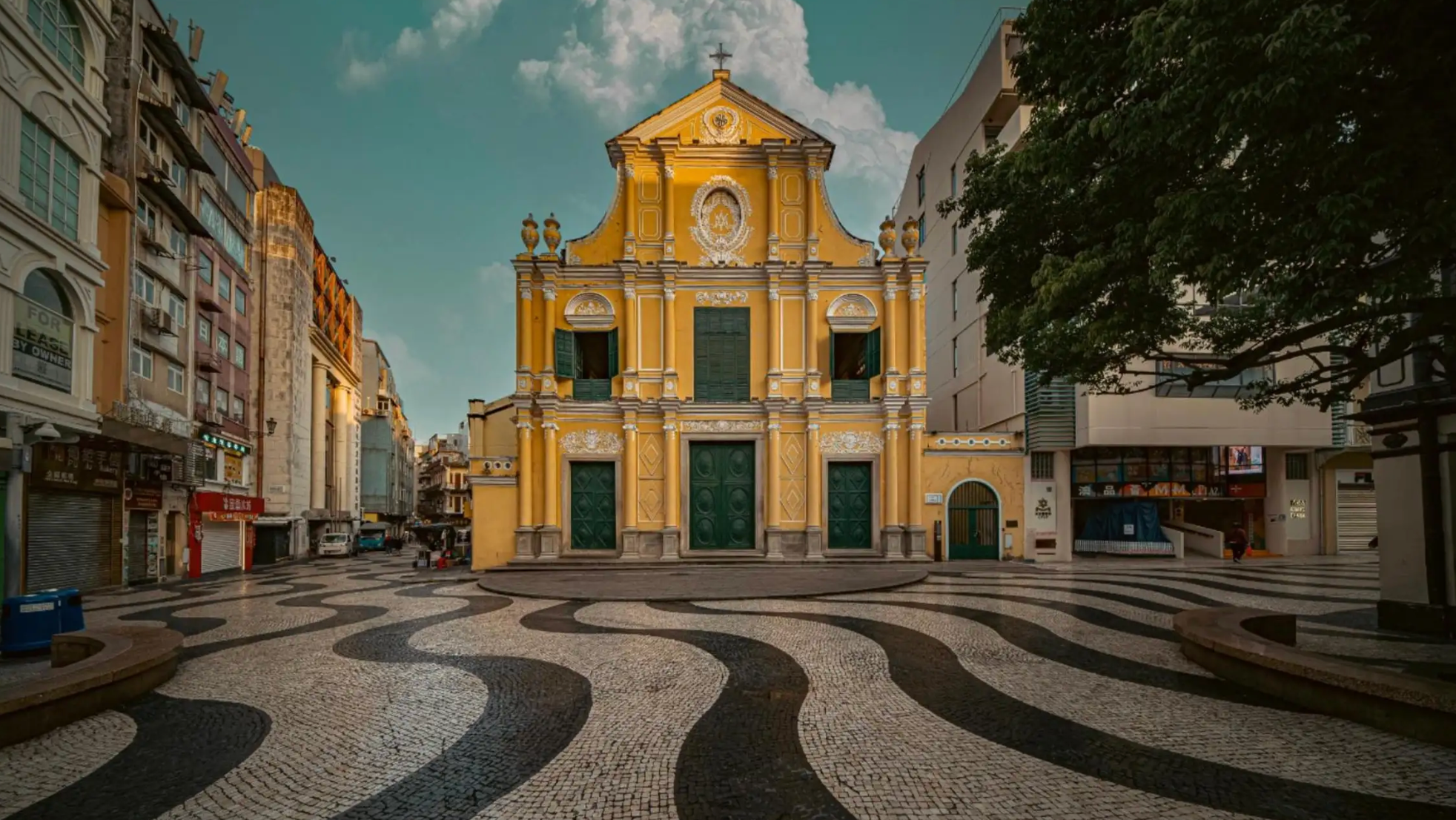
Next on the way to Senado Square, you will pass St. Dominic's Church. It is a late 16th-century Baroque-style church that is part of the Roman Catholic Diocese of Macau.
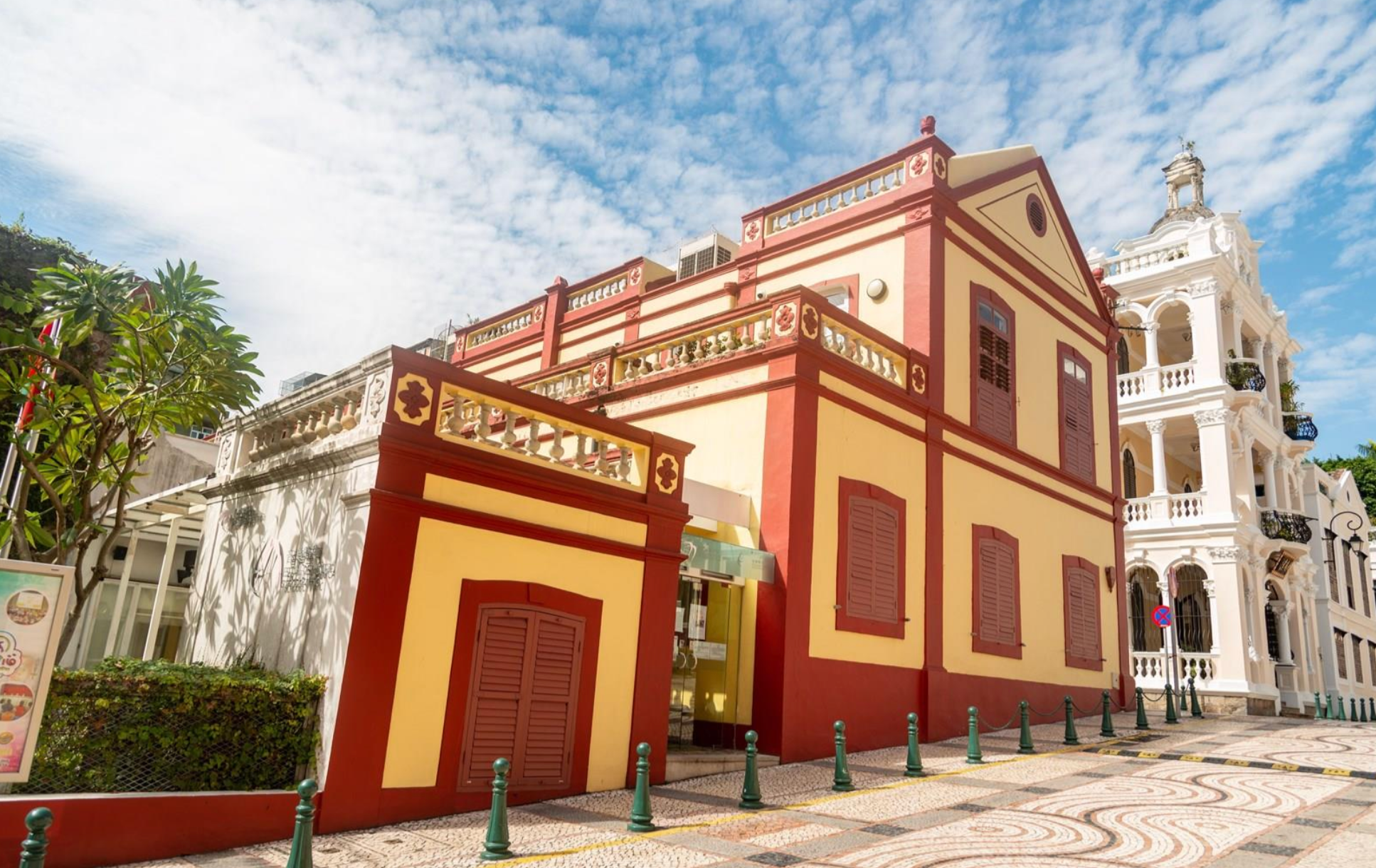
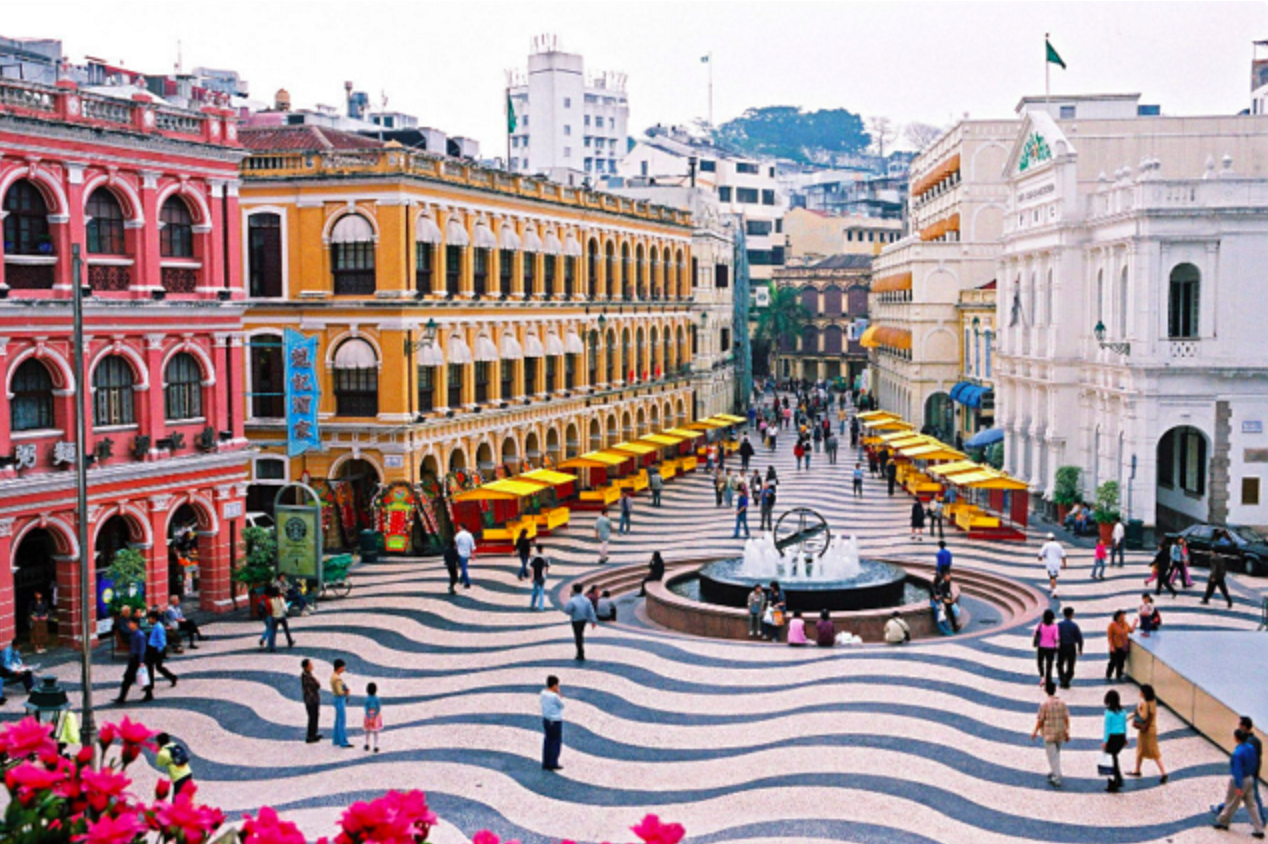
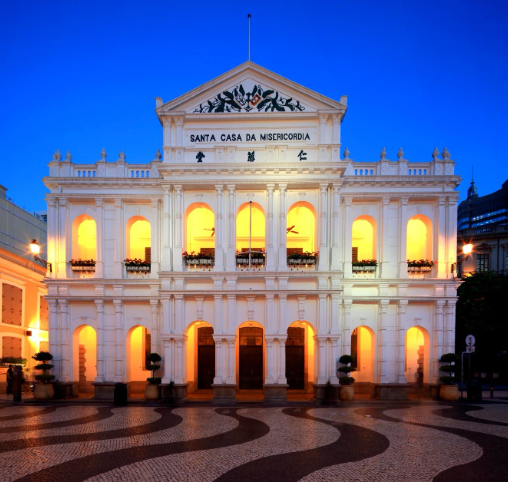
Senado Square, or Senate Square, is Macau's town square and is still a popular venue for public events and celebrations. It is a UNESCO World Heritage site. The iconic wave-patterned black and white mosaic tiles were paved by Portuguese experts in the 1993.
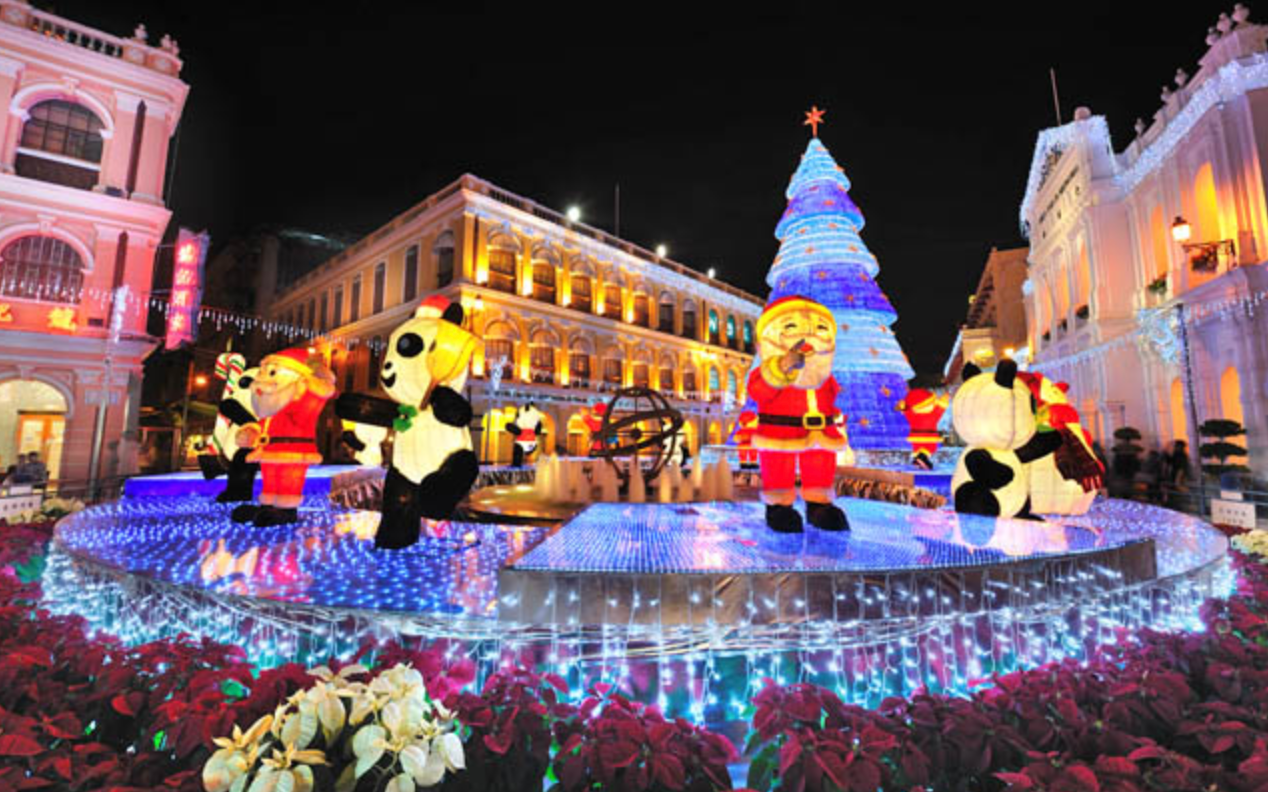
One of the most prominent buildings in Senado Square is the Holy House of Mercy building. The Holy House of Mercy is almost 450 years old and started as a medical clinic, providing support to people in a time of suffering, distress or urgent need. It also served as an asylum attending lepers. The lazar house as it was called at the time was the first social welfare service ever to be established in Macau. Nowadays, the Holy House has adopted a series of comprehensive measures to embrace the changes, such as repairing and renovating its social services facilities, providing child-care services, and setting up the Macau Holy House of Mercy Museum.
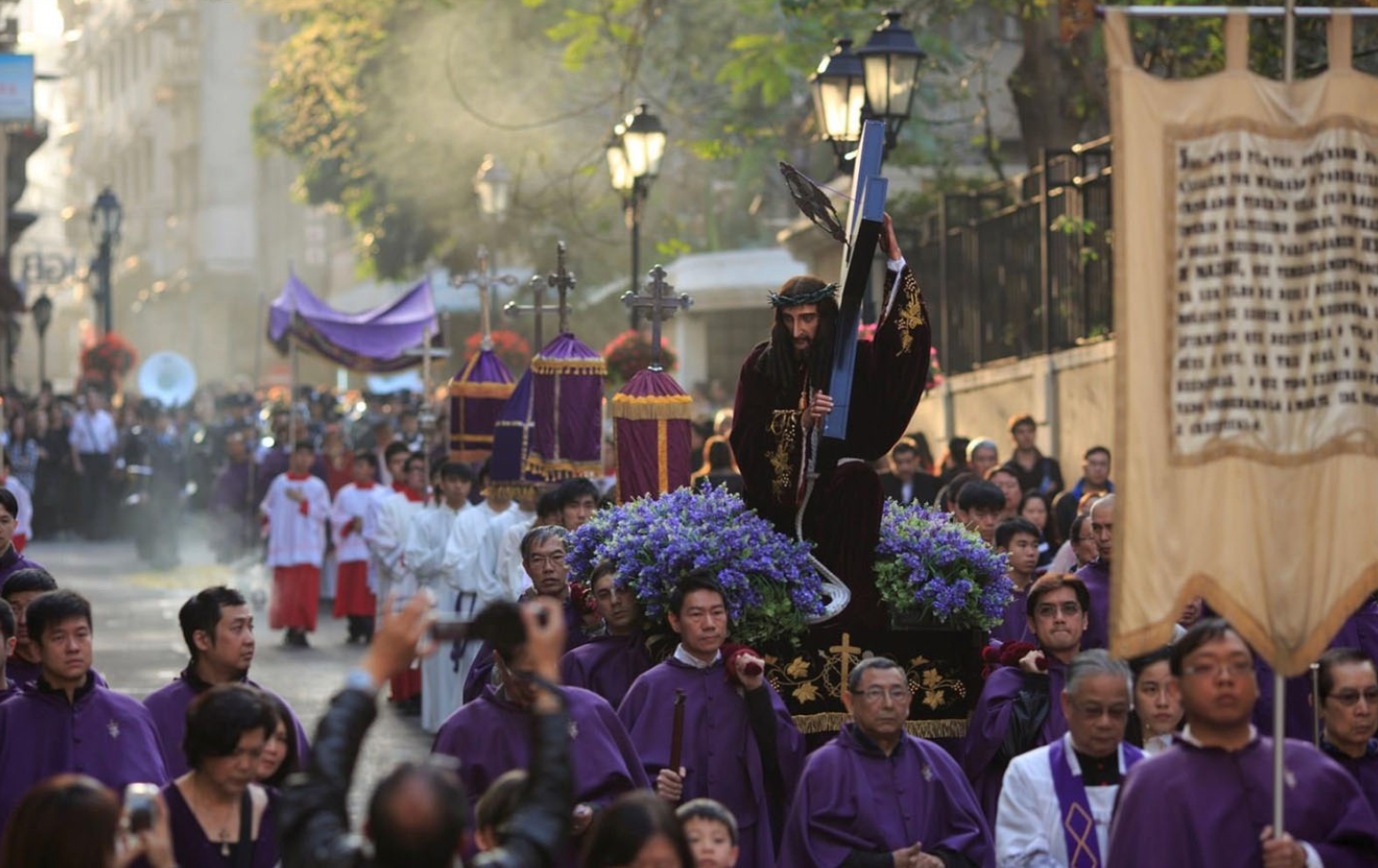
Three more churches in a small area are St. Augustine's Church, St. Joseph's Church and St. Lawrence's Church. St. Augustine's Church was first established by Spanish Augustinians in 1591, this church maintains the tradition of organizing one of the most popular processions through the city, the Easter Procession, with thousands of devotees. This church particular supports the local Filipino community.
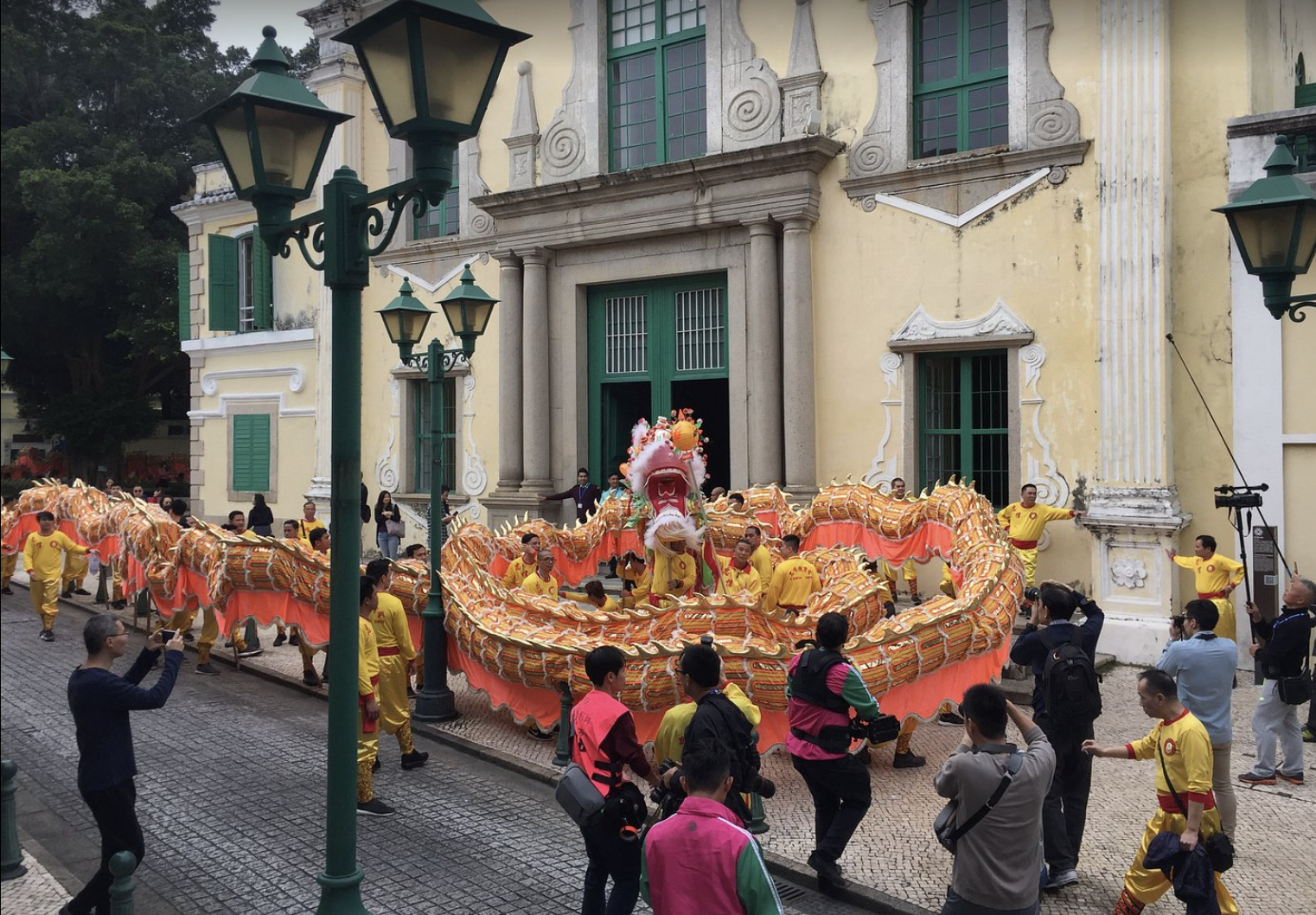
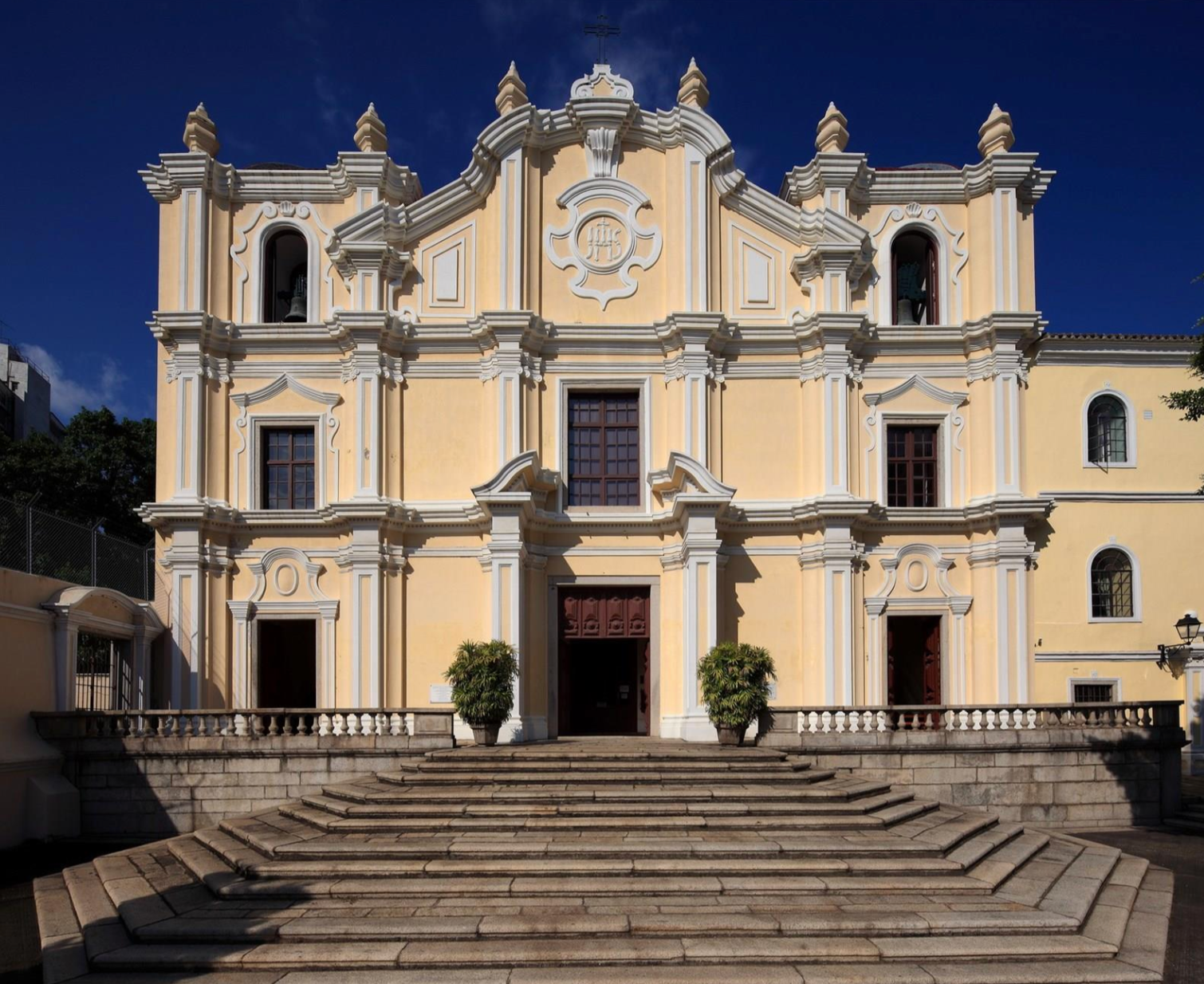
Established in 1728, the St. Joseph's Seminary, together with St. Paul's College, was the principal base for the missionary work implemented in China, Japan and around the region. St. Joseph's Seminary taught an academic curriculum equivalent to that of a university and in 1800 the Portuguese Queen Dona Maria I conferred on it the royal title of "House of the Mission Congregation". Adjacent to the Seminary is St. Joseph's Church, built in 1758, which is a classic Portuguese church of baroque architecture.
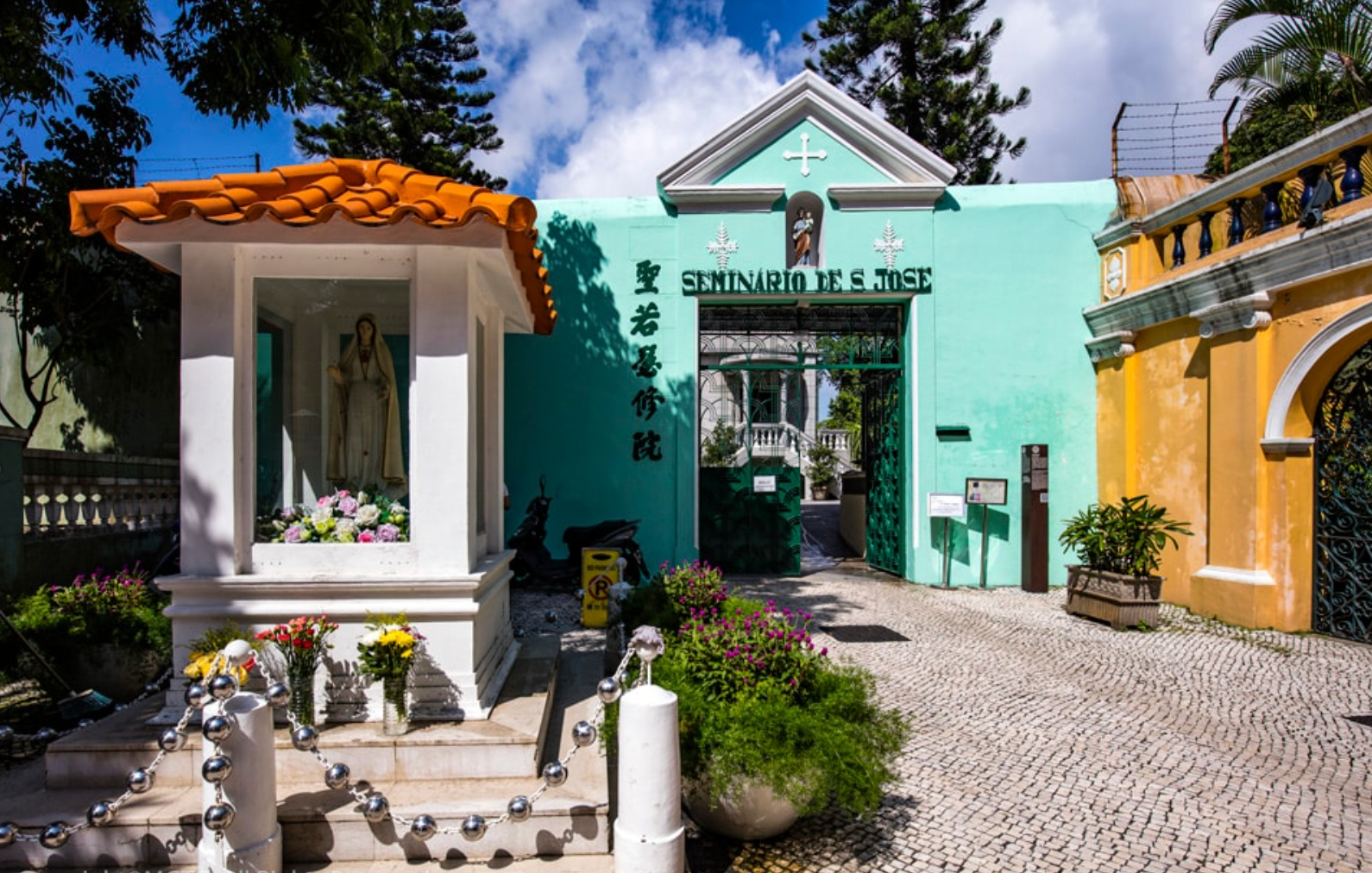
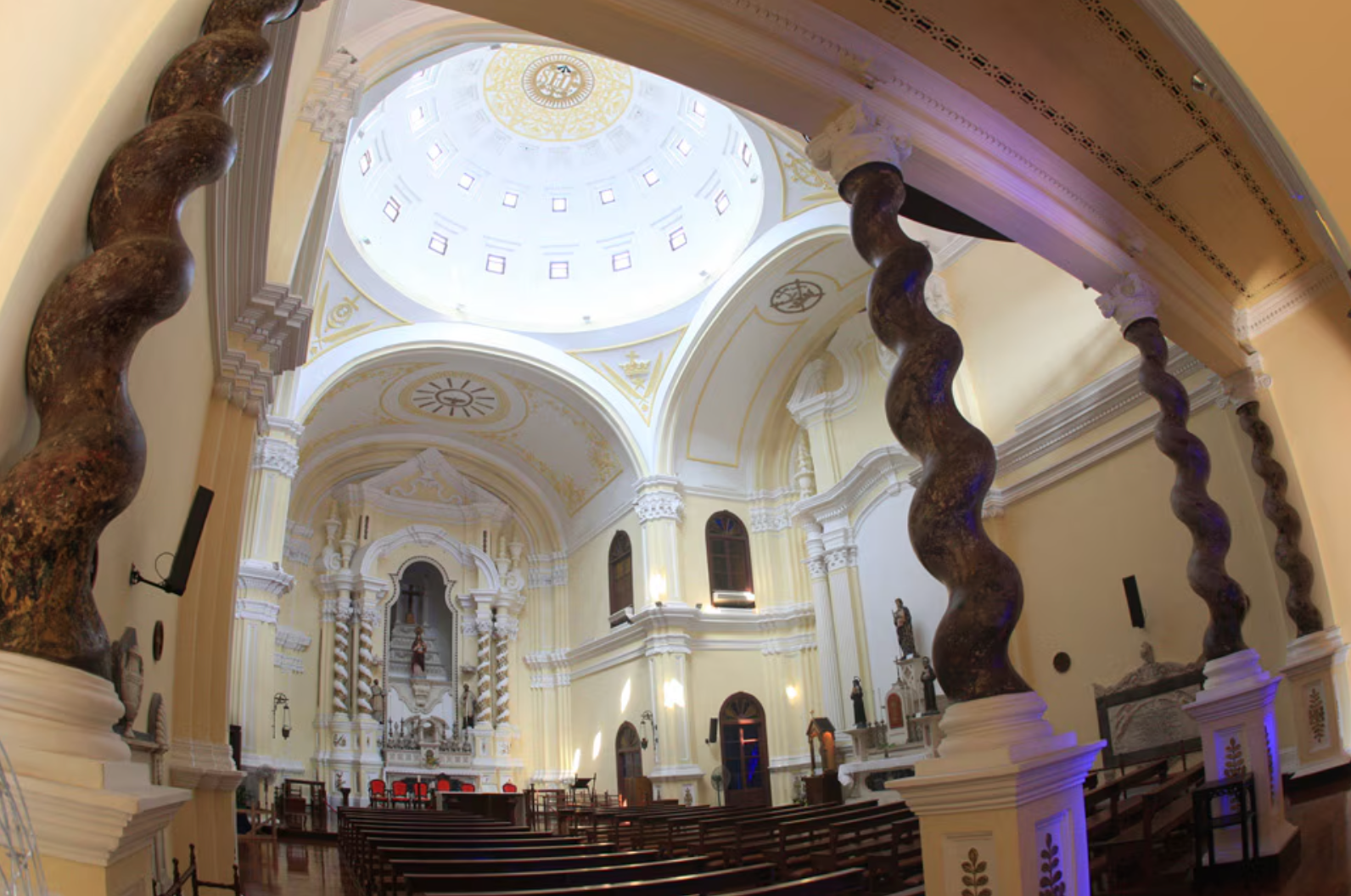
St. Lawrence's Church is one of the oldest churches in Macau, first built before 1560 by the Jesuits. It was later rebuilt in 1846.
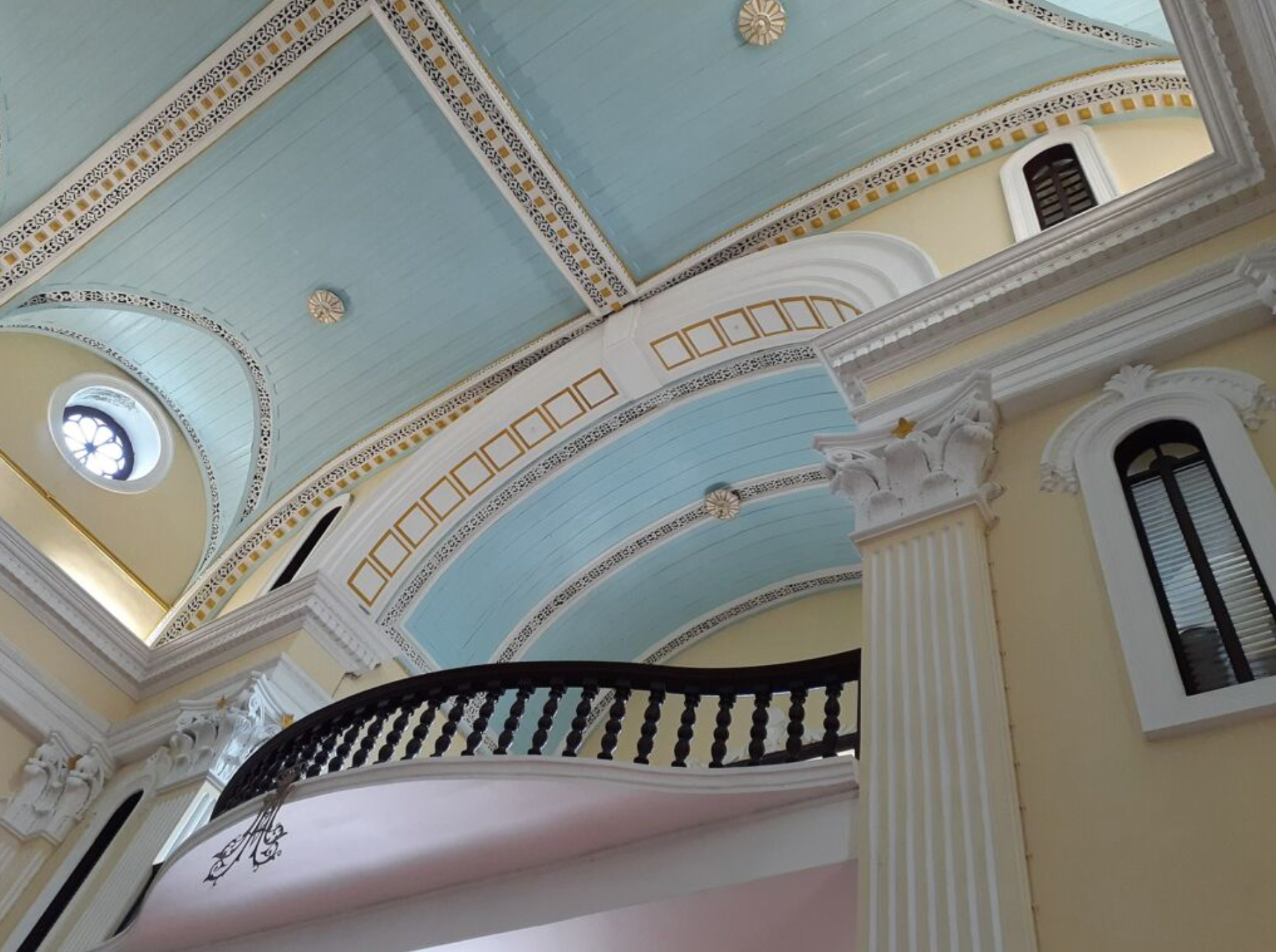
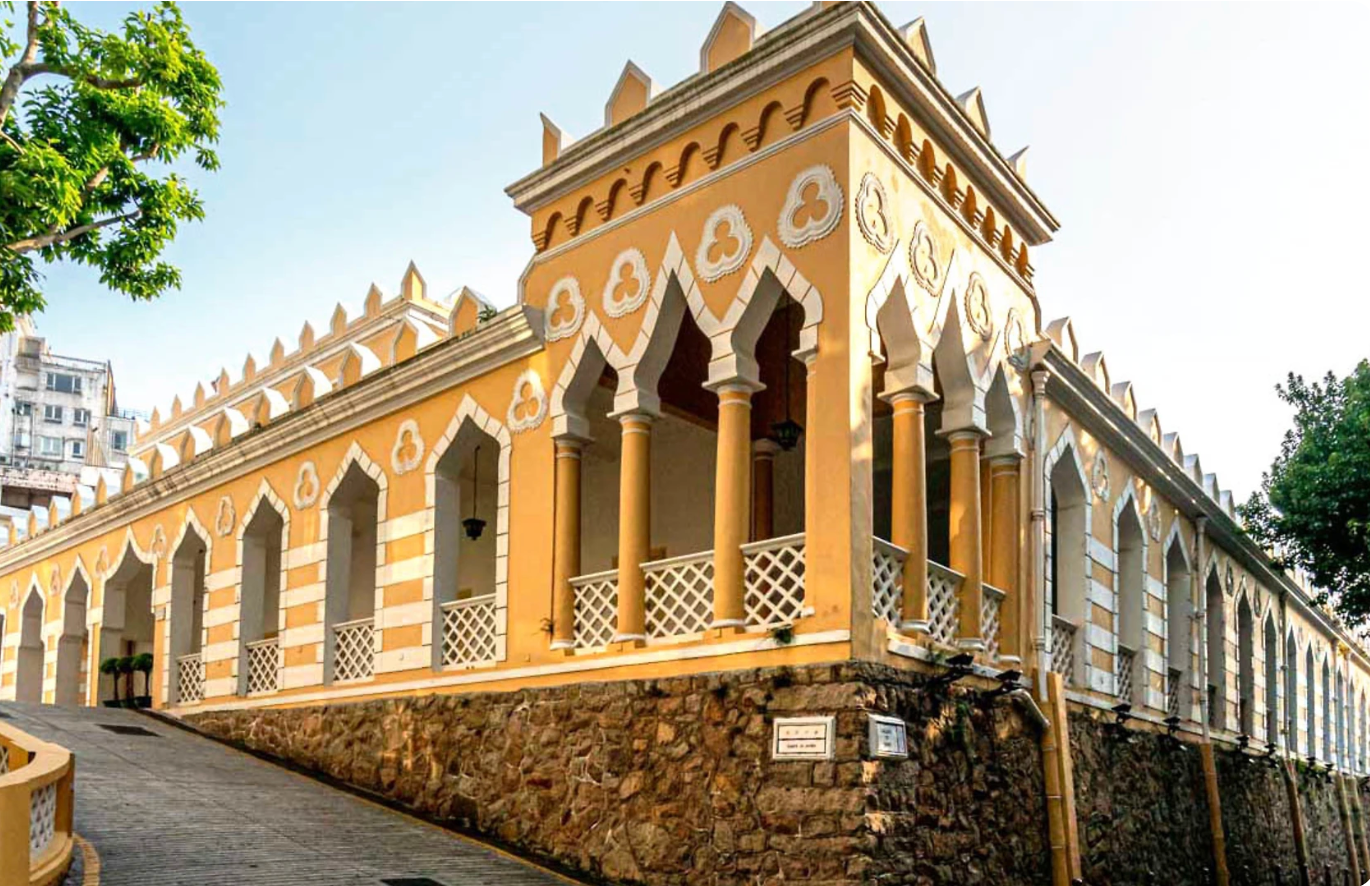
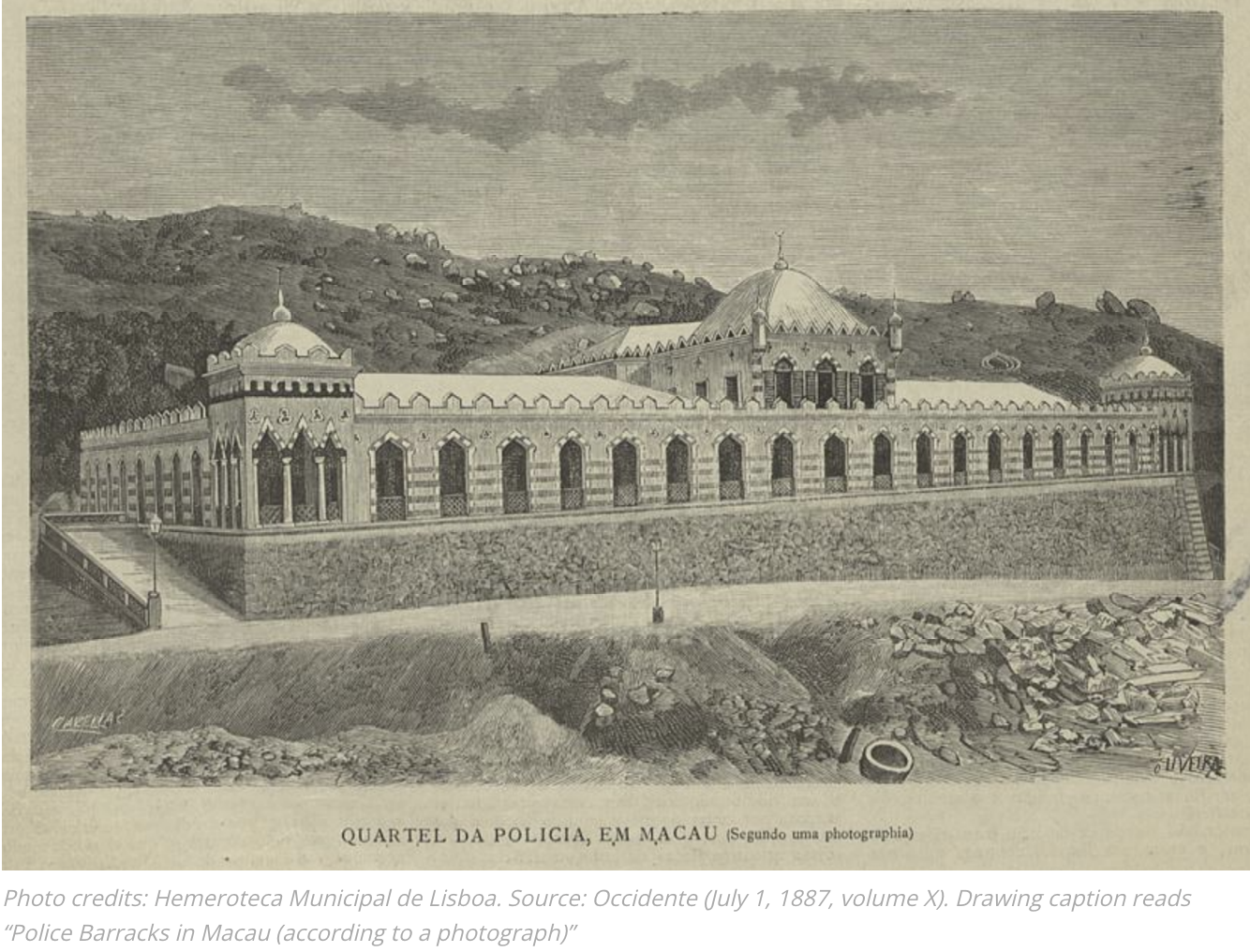
The Moorish Barracks was built in 1874 on the slope of Barra Hill to accommodate hundreds of troops from Goa – a state in India that was under Portuguese rule for four centuries – designated to strengthen Macao's police force. Today the building serves as the headquarters of the Marine and Water Bureau, but its brick and stone neoclassical structure designed with Mughal influences is perfectly preserved. Its light yellow with white touches and long verandah building is hard to miss.
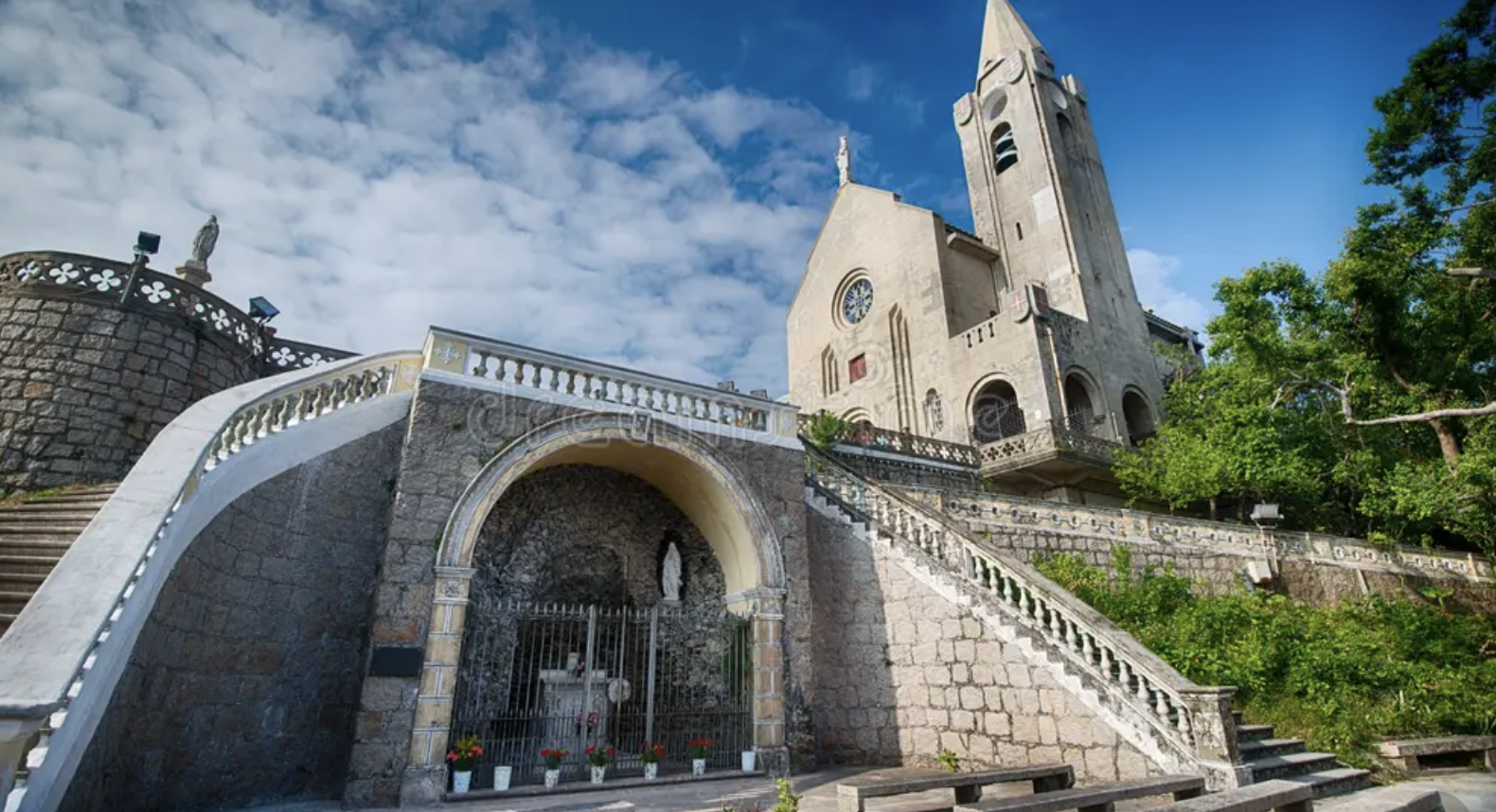
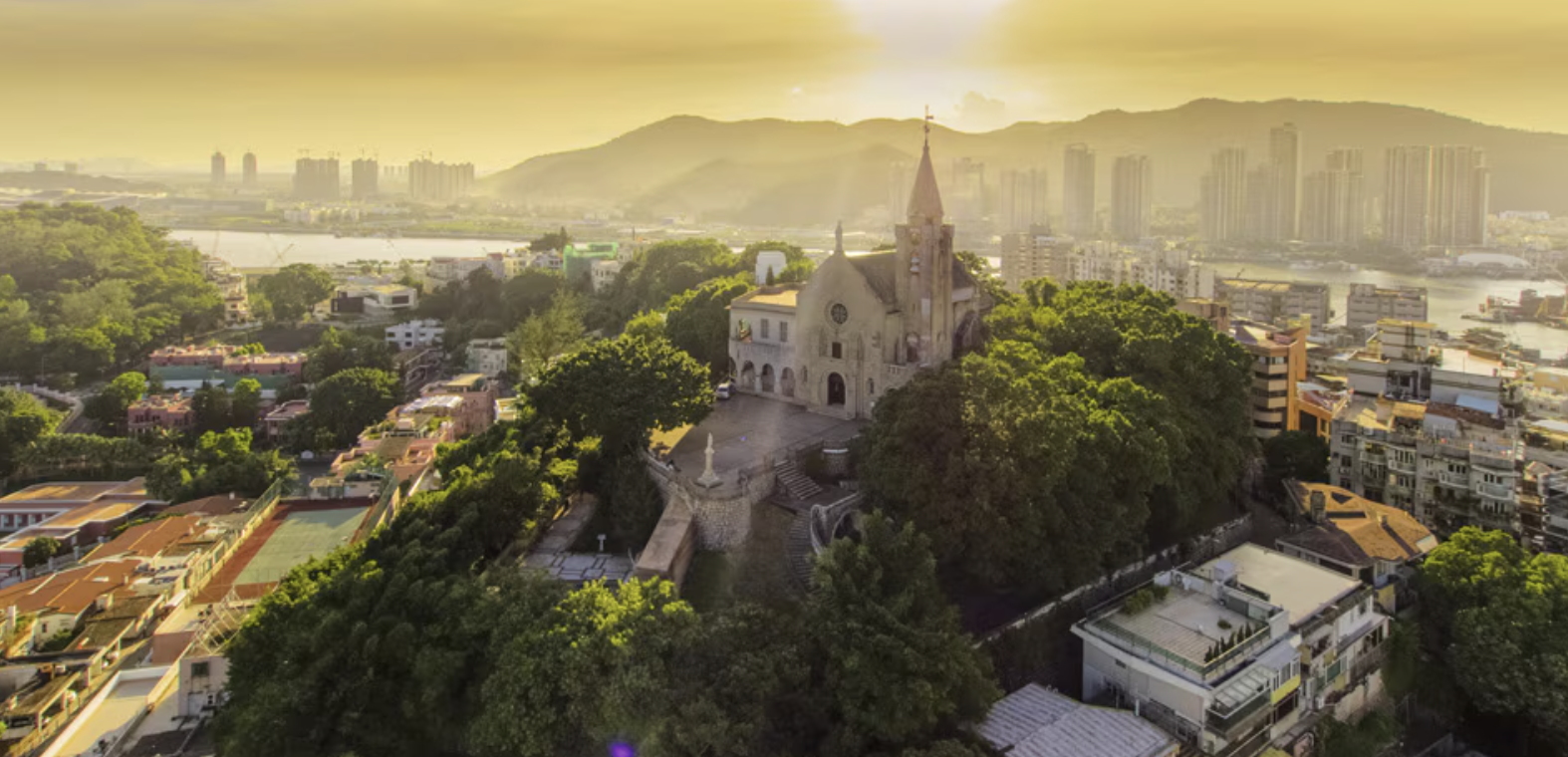
The Chapel of Our Lady of Penha is located on Penha Hill and was first erected in 1622 by the crew of the Portuguese ship São Bartholomeu who had a narrow escape from their Dutch pursuers in the Taiwan Strait while en route from Macau to Nagasaki. The crew vowed to build a church to commemorate the Virgin Mary if they managed to return to Macau, and made good on that promise upon their return. It has since been rebuilt in 1837 and rebuilt in 1935.
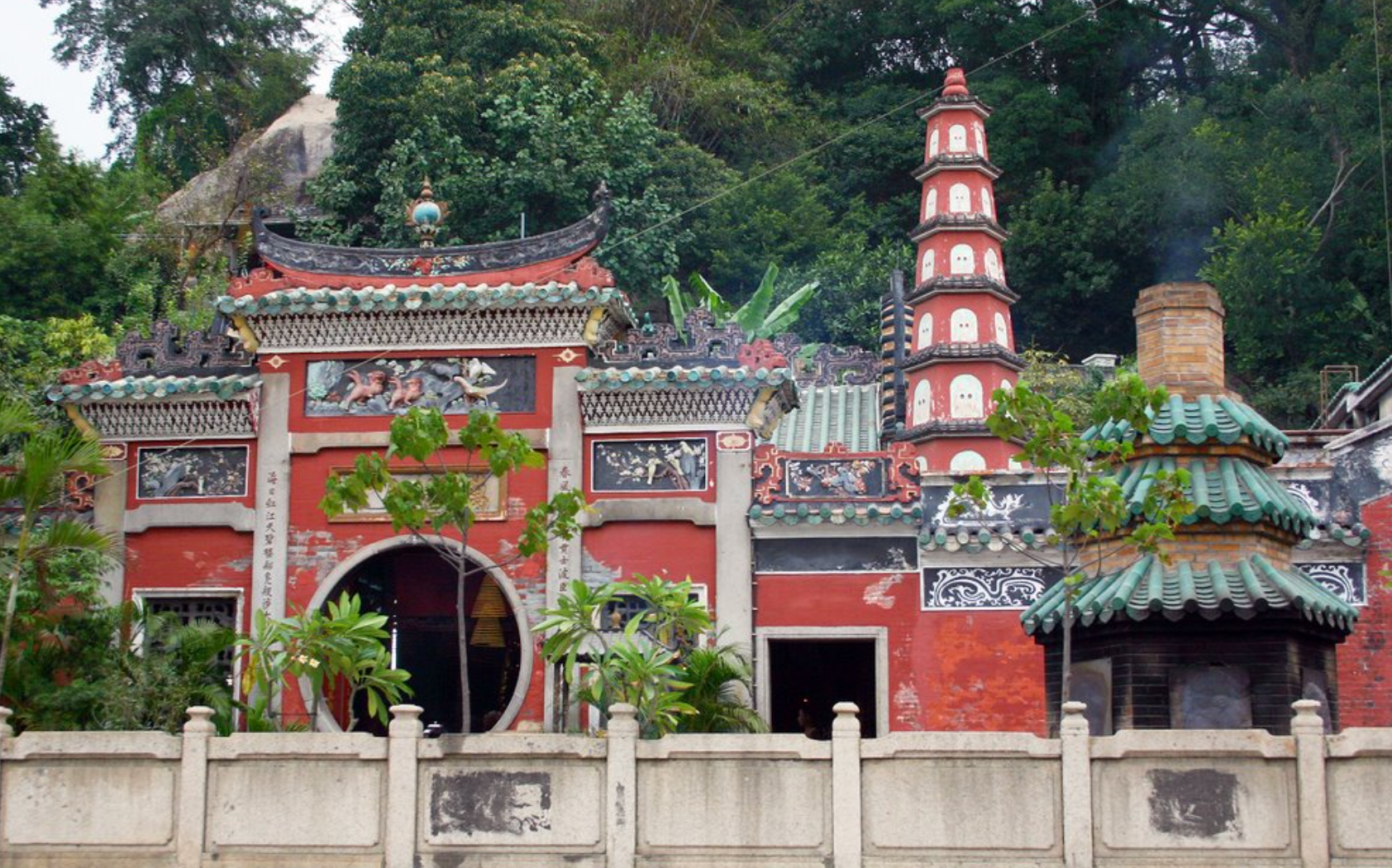
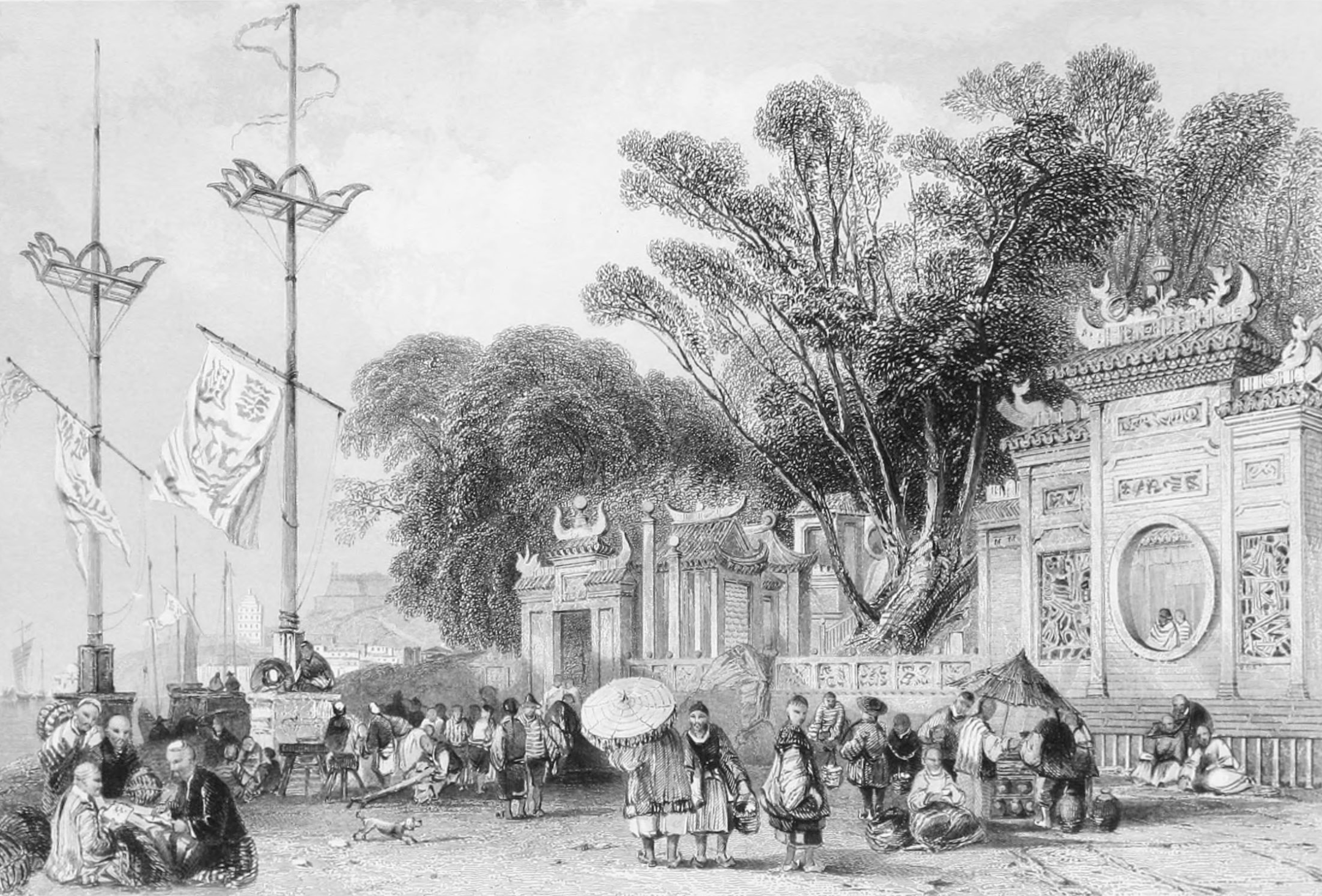
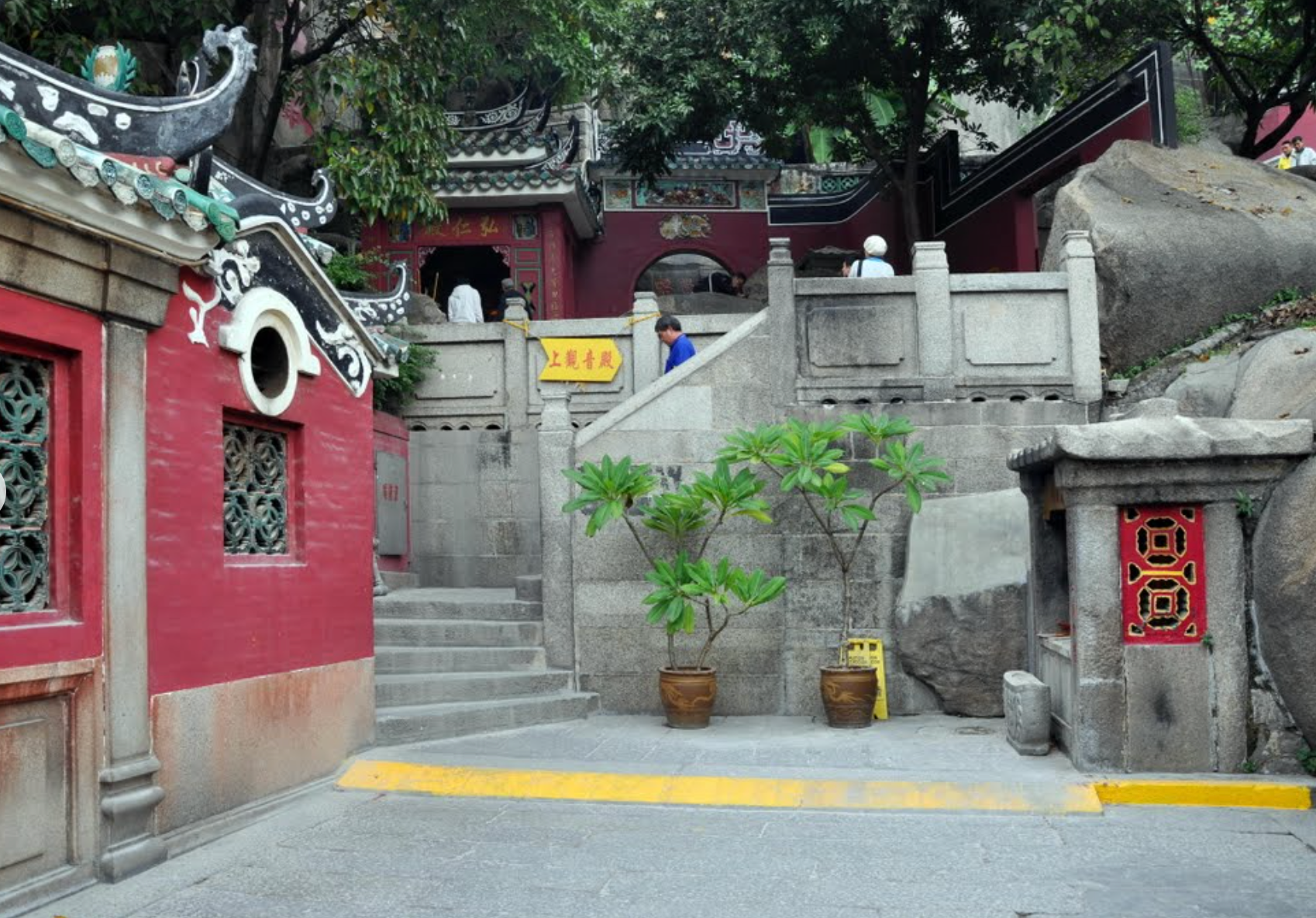
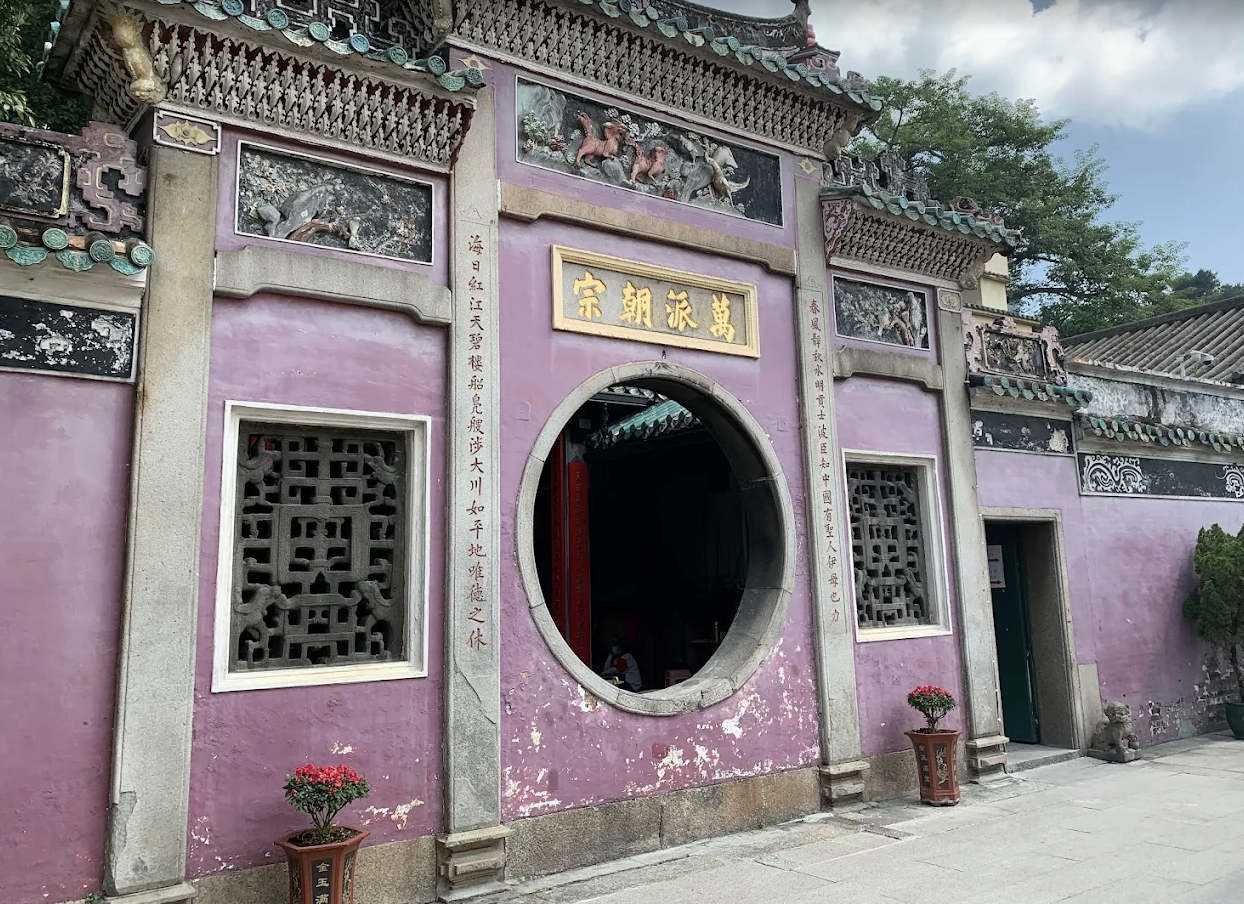
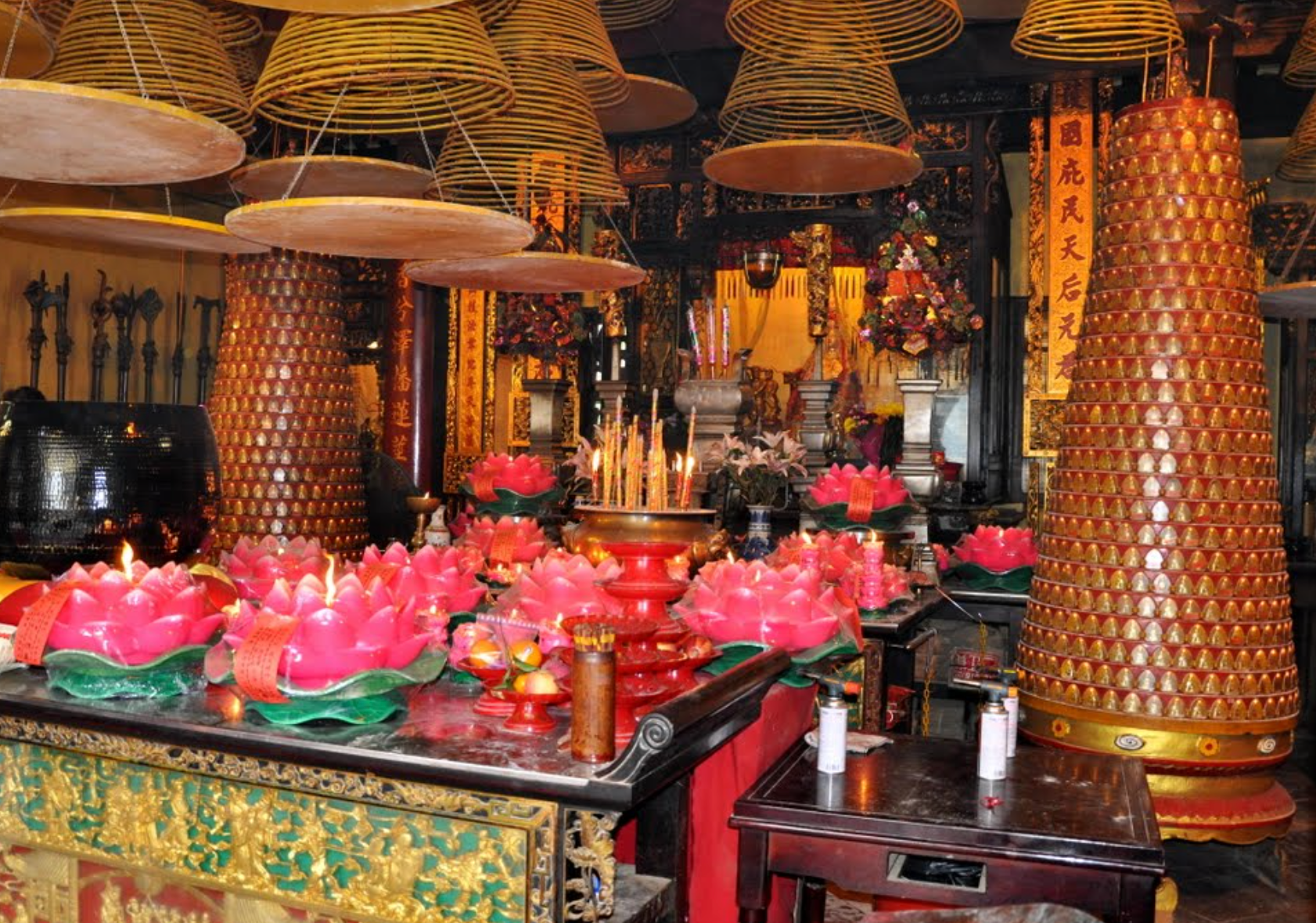
A-Ma Temple is the oldest temple in Macao, initially built in 1488 and reconstructed in 1828. The temple consists of various pavilions, including the Gate Pavilion, the Memorial Arch, the Prayer Hall, the Hall of Benevolence, the Hall of Guanyin, and Zhengjiao Chanlin (a Buddhist pavilion), all of which are dedicated to the worship of different deities. The pavilion forms a well-ordered complex that represents the Chinese culture's varied folk beliefs.
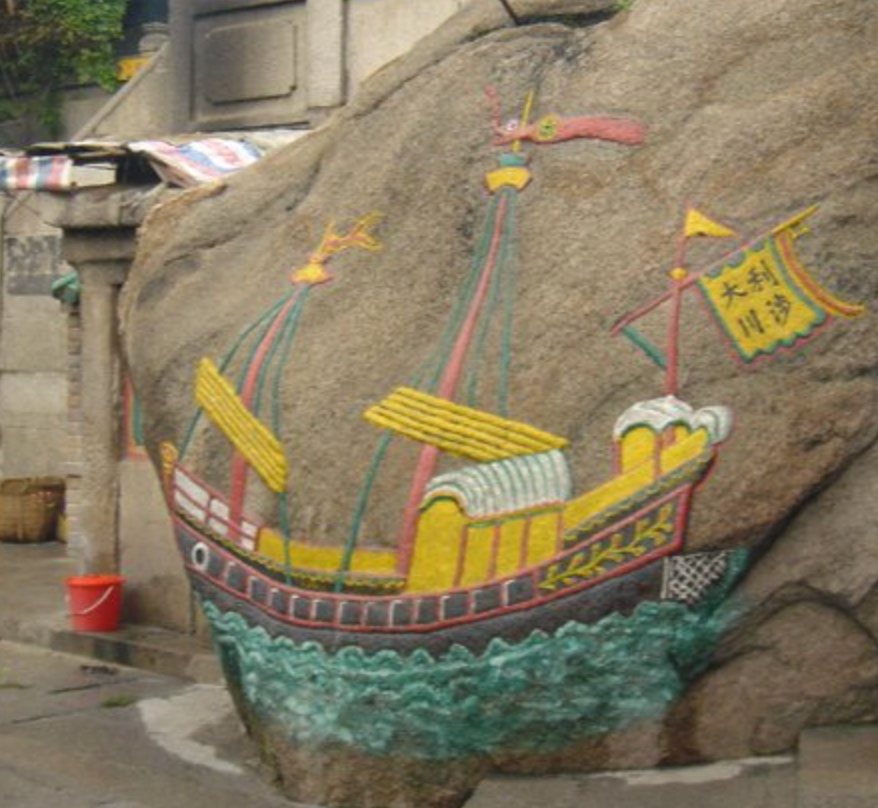
According to one of the legends, more than 500 years ago, in one of the harbours of the South China Sea, one poor girl asked the fishermen to take her to from Canton to Macau. However, no one agreed to help her. Only one fisherman felt sorry for the girl and take her on his boat. At night, a huge and powerful storm destroyed all the boats except the one where the girl named A-Ma was. The rest of the fishermen died as well.
The punishment for the heartlessness reached everyone. The rumours in the town began to spread and people said that sea-goddesses protect the weird girl. A woman, illuminated with the bright rays of the sky-blue colour, ascended to the summit of the Barra Hill. The sea calmed down, and all the witnesses realized who the poor girl was.
Later, on the spot where the rest of the fishermen landed, people erected a temple in honor of the goddess. It became the sanctuary to everyone who is going to leave for a voyage. They lit the candles and prayed for the calm sea and a rich catch.
The place where the temple had been constructed was called "А-Ма гао" which means “A-Ma harbour”. As time went by, the area transformed into Macau. The title was officially approved when the island was passed to the Portuguese as a sign of gratitude for the protection of the coast from the pirates. The solemn ceremony of the transfer happened in the middle of the XVI century in the building of the temple.
Sick of churches yet???