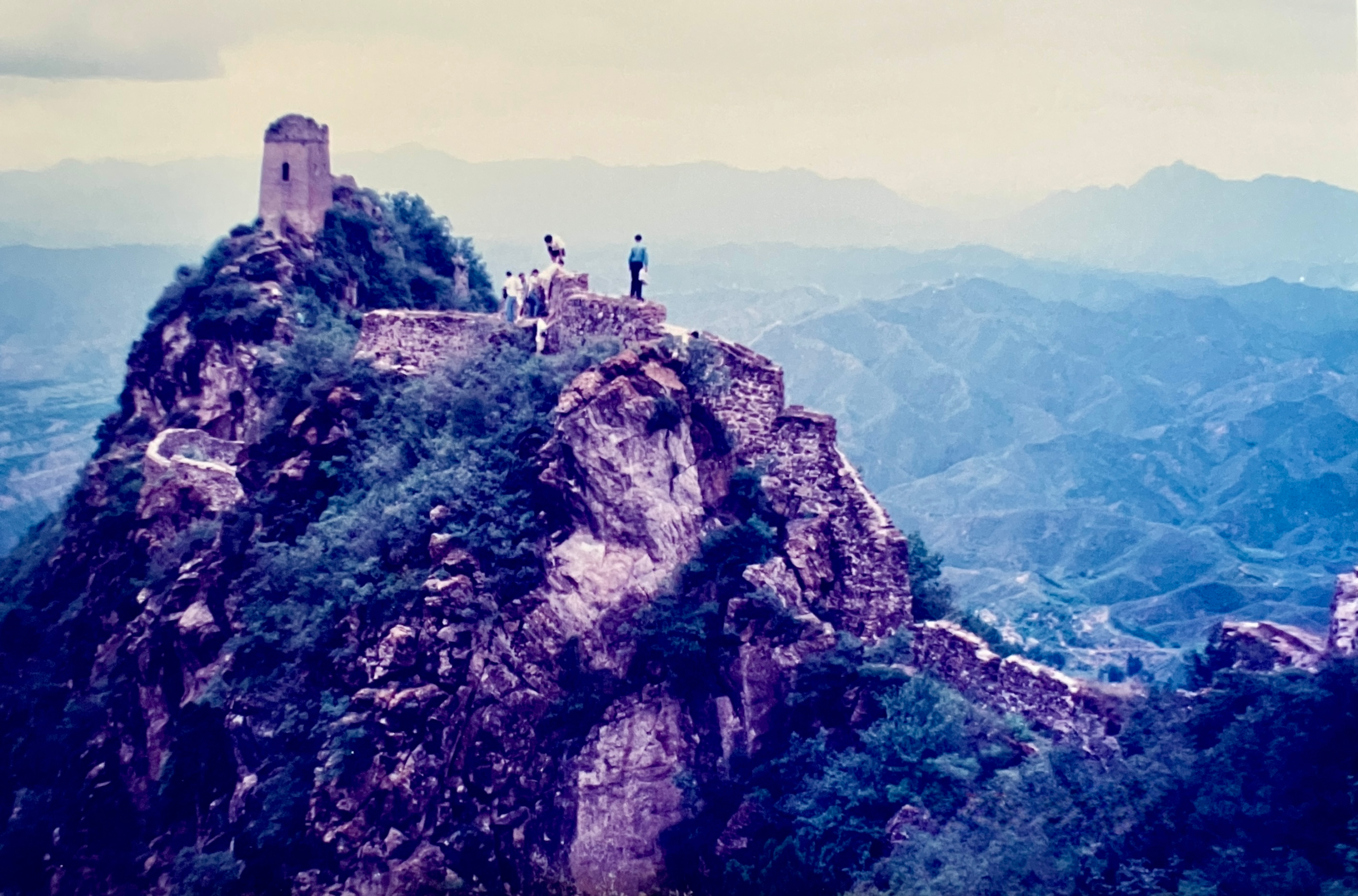
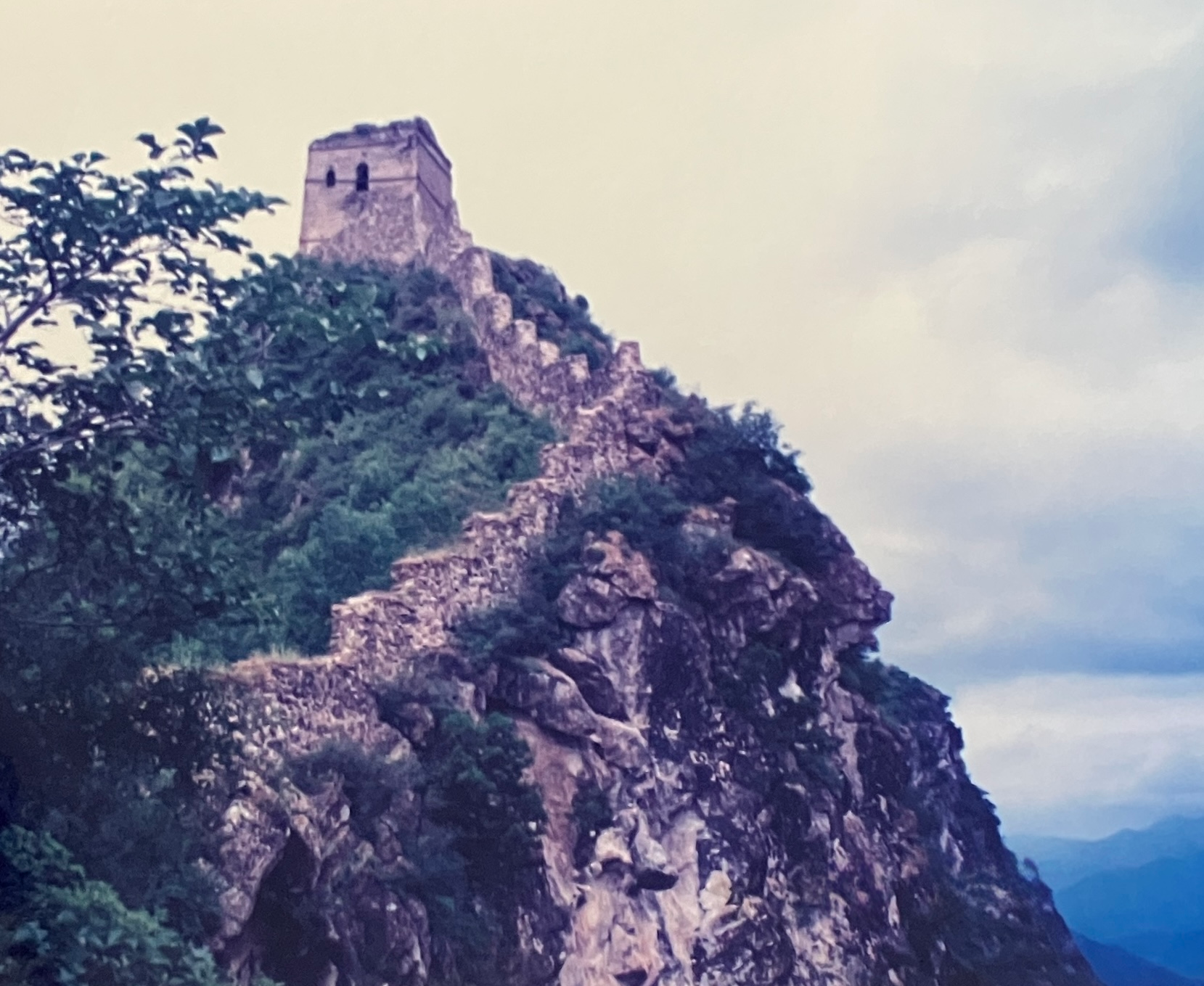
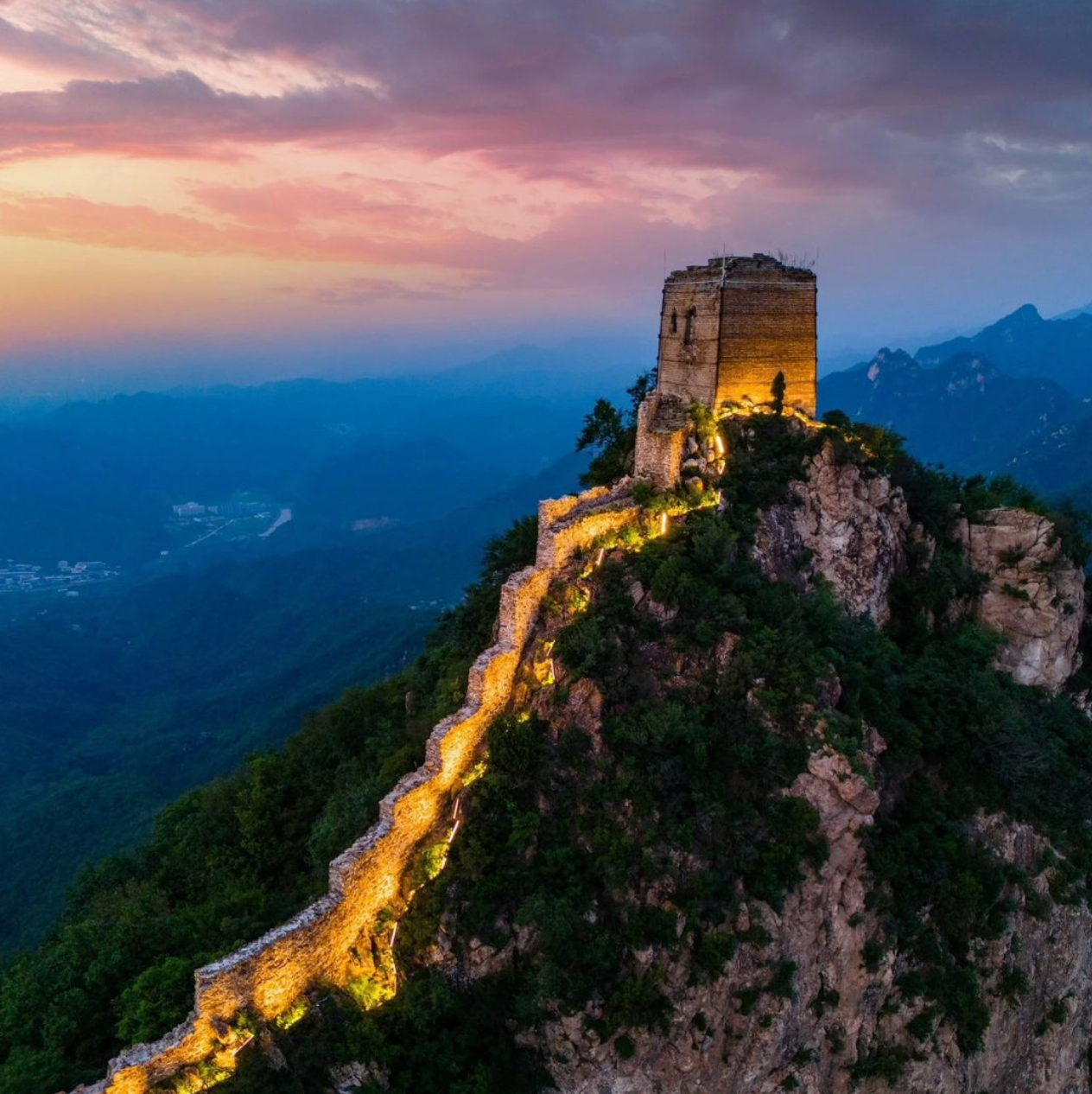
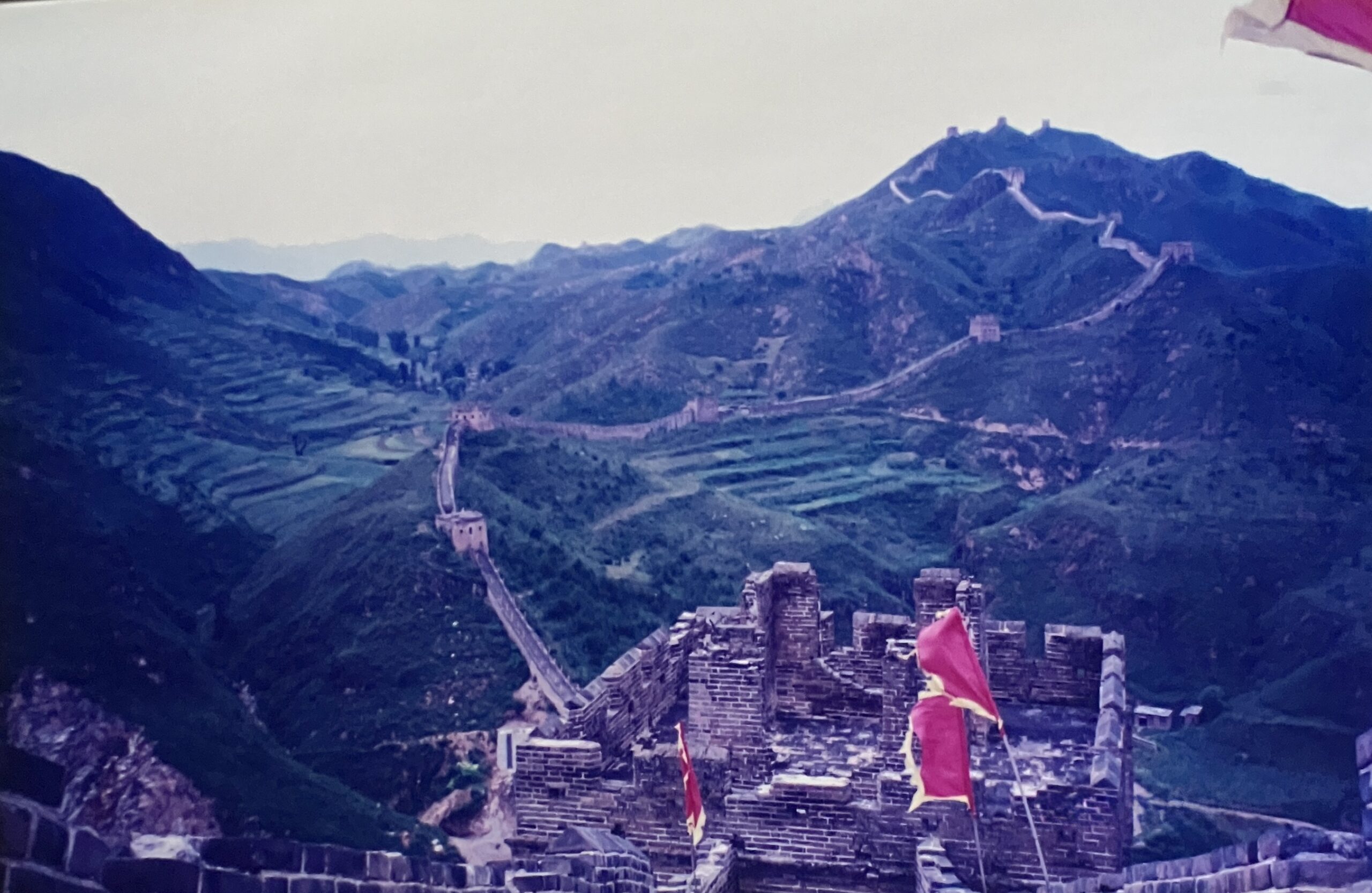
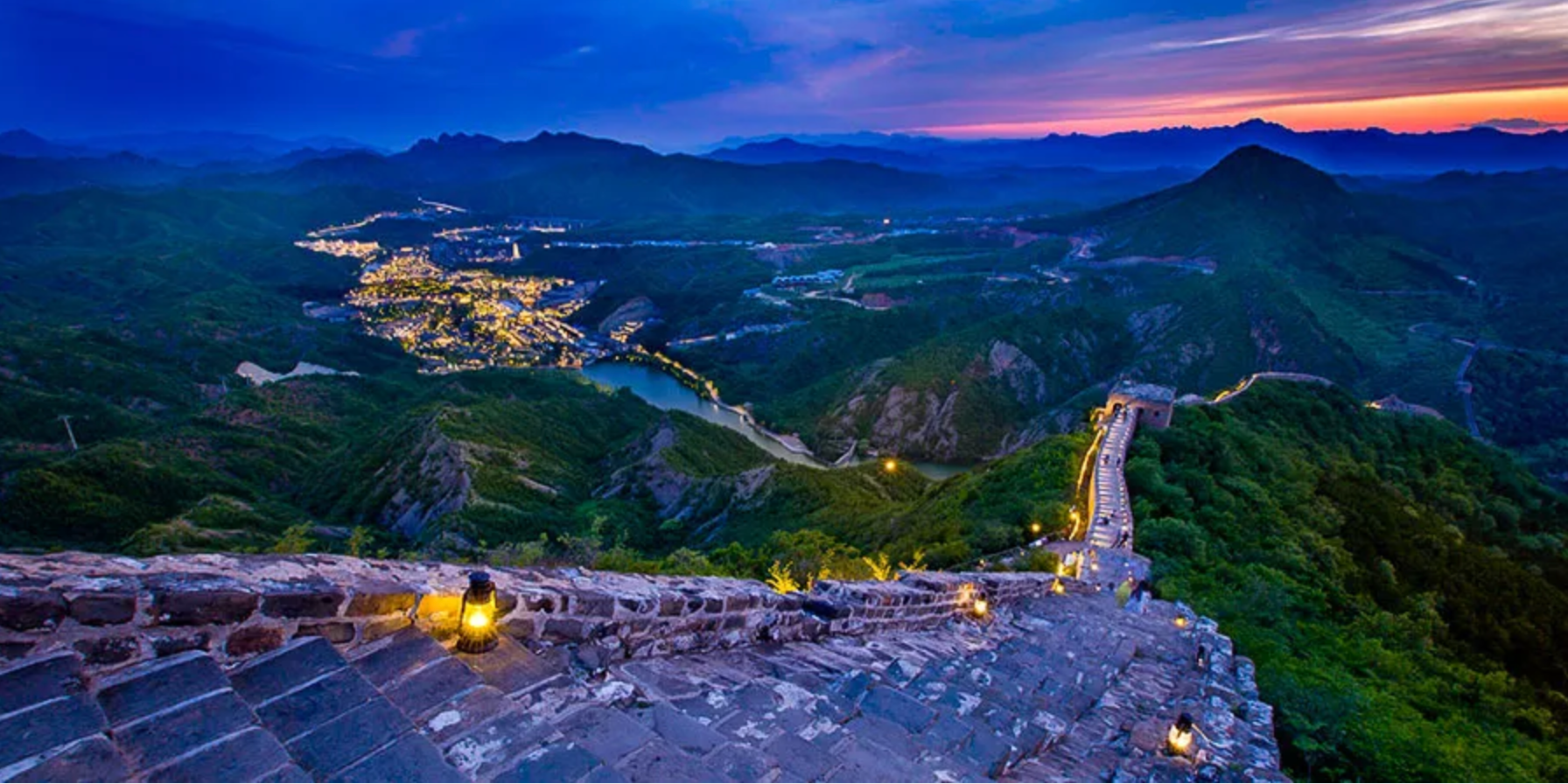
Simatai Great Wall is located in the north of Miyun District, 120 km northeast of the city centre of Beijing. Originally built during the Northern Qi dynasty (550–577) and rebuilt during the Hongwu Emperor's reign during the Ming dynasty (1368–1644). Adjoining the Gubei Water Town, it is unique as the only section of the Wall preserved in its Ming dynasty condition without modern restoration. As a result, Simatai features many segments which are steep with rugged terrain and have not been restored as other areas surrounding Beijing, such as Badaling and Jinshanling, have been.
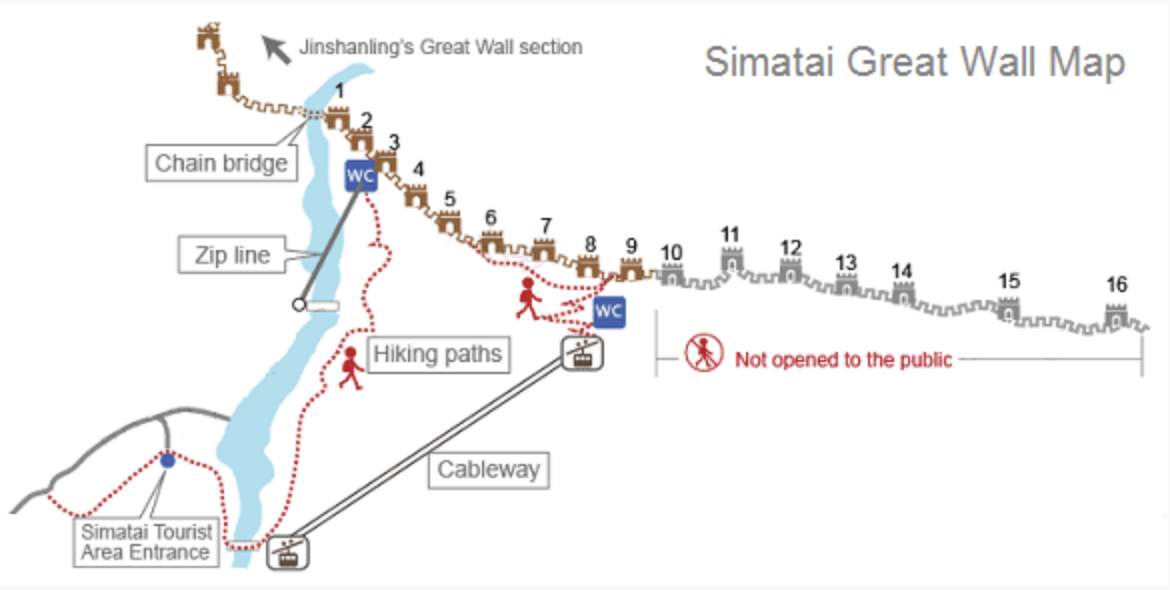
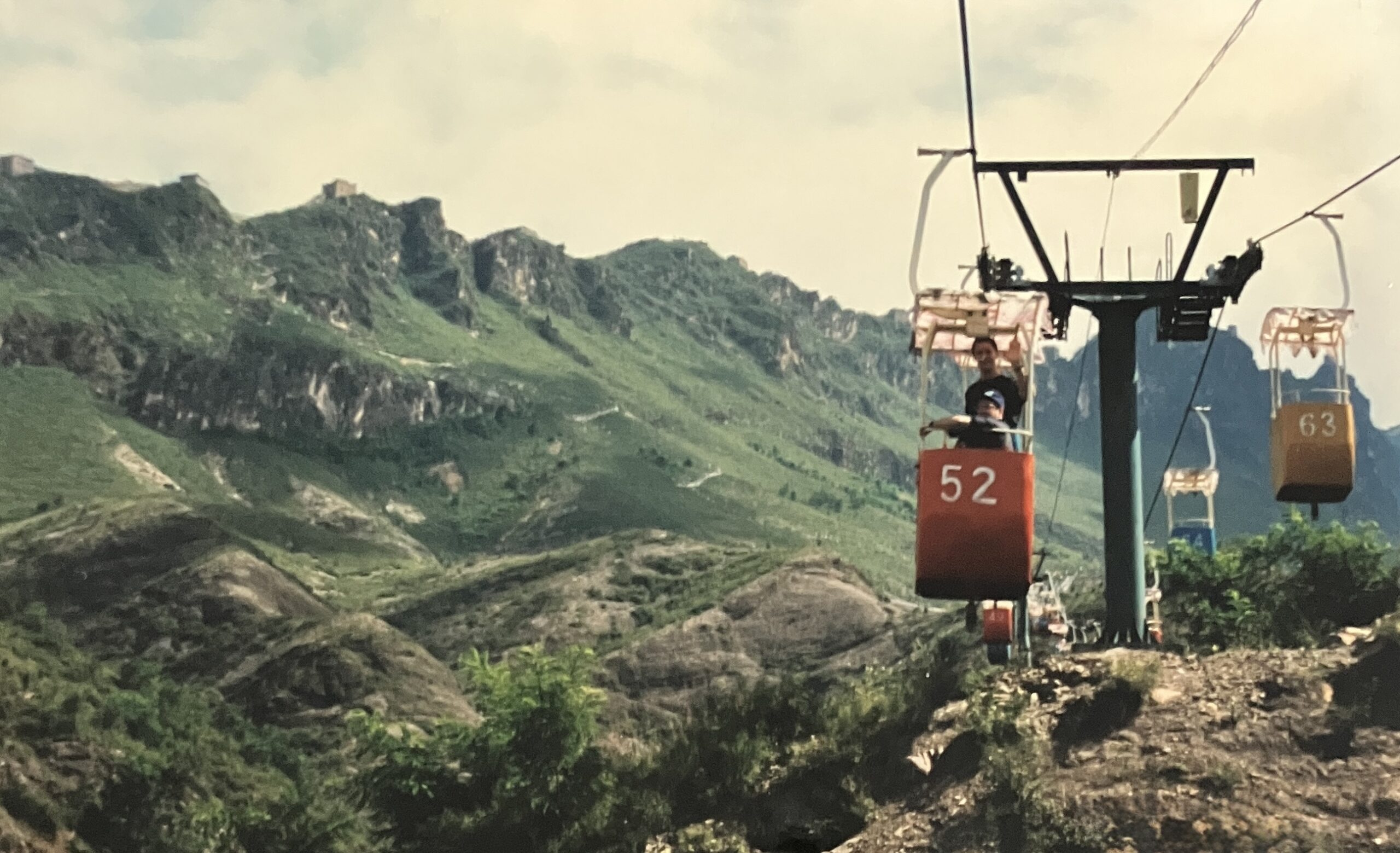
Simatai Great Wall is 5.4 km long with 35 beacon towers. Simatai Great Wall is separated by a valley into eastern and western parts. The western part is gently sloped with 20 well-preserved watchtowers dotting along the wall. The eastern part is much steeper, following more rugged terrain that includes cliff edges and peaks. Hanging precariously onto the Yan Mountains, Simatai Great Wall is known for its steepness. Open-air gondolas provide a way to ascend partway up the wall. The 17 watchtowers on the eastern part are relatively closely spaced and have views of the surrounding area.
In August 1996, when I visited the Simatai Great Wall section, all of the Wall and towers were accessible however from 2010 public access to areas beyond Tower 12 were permanently blocked. This means the most famous and dangerous unrestored parts of the trail, including 'Cat's Eye Tower' Tower 14, "Fairy Tower " Tower 15, and the "Heavenly Ladder", remain permanently off-limits to regular tourists today. This brings even more excitement to the stories below!
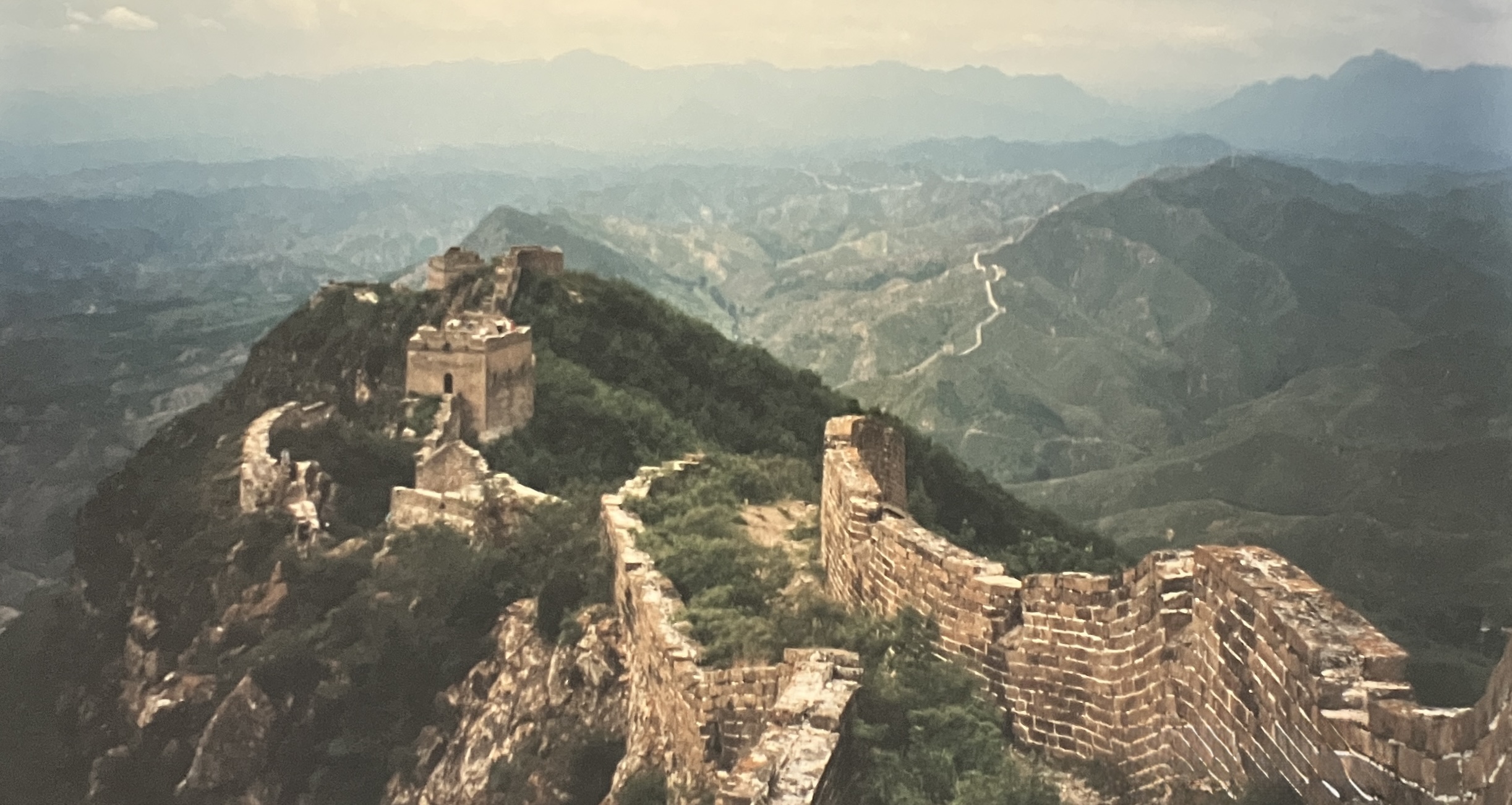
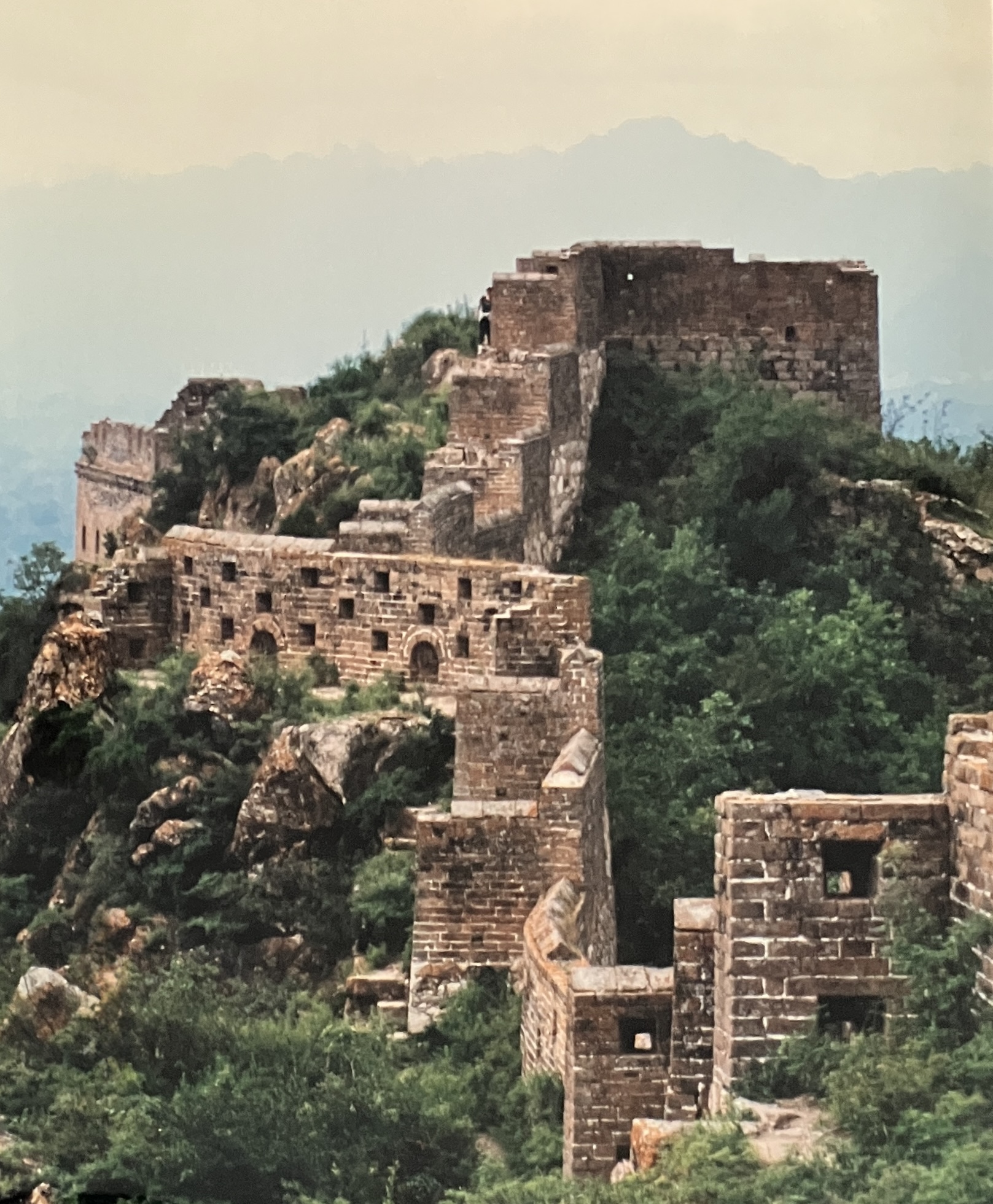
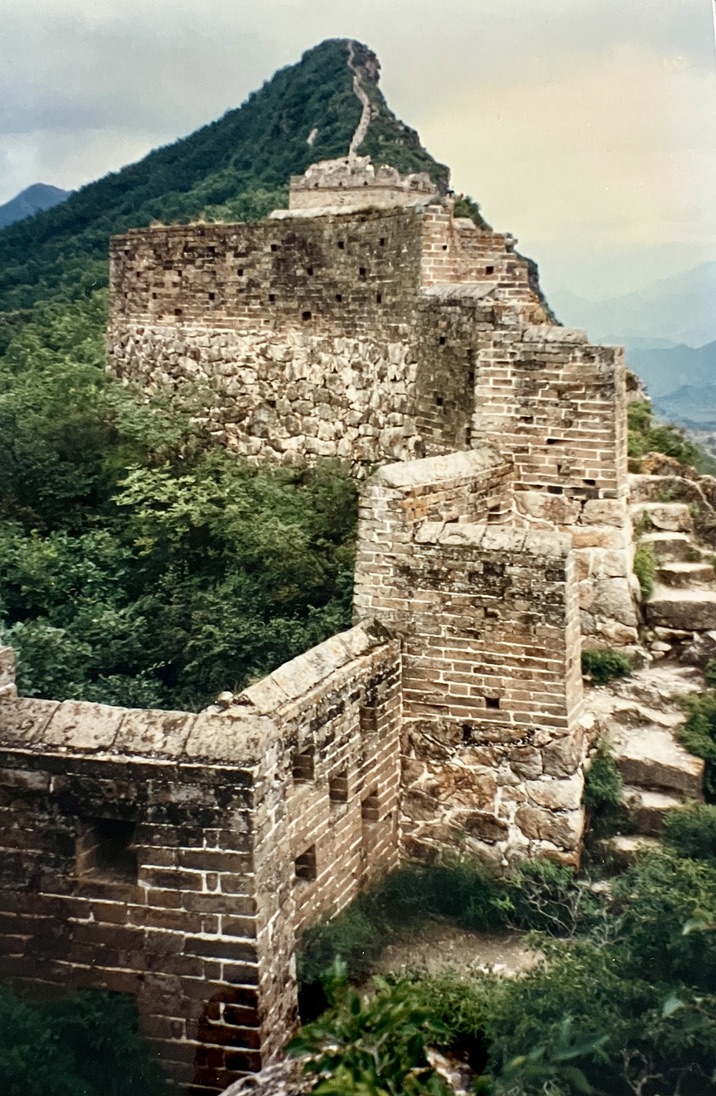
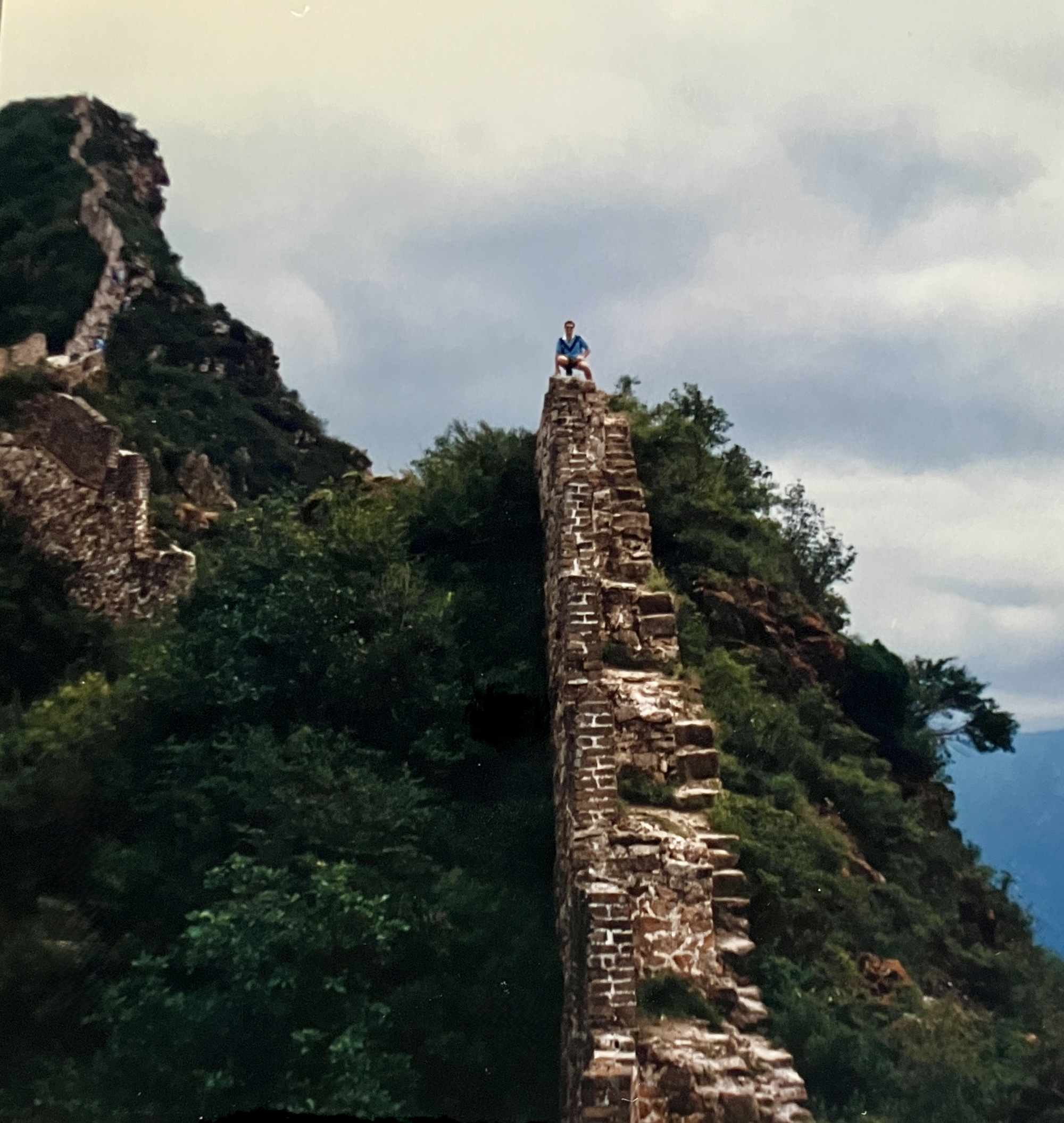
Perched at an altitude of 986 meters, Tower 15 is known as the Fairy Tower. It is a remarkably slim watchtower known for its beauty. Perched dramatically on a steep ridge, it is accessed via the "Heavenly Ladder," a gruelling 100-meter climb at an 85-degree angle. Stretching upward along the abrupt mountain ridges, the narrowest part is just half a meter wide. Legend says it was once the dwelling place of an antelope reincarnated as a fairy. She fell in love with a local shepherd, and together they toiled to build this difficult, near-vertical stretch of the wall.