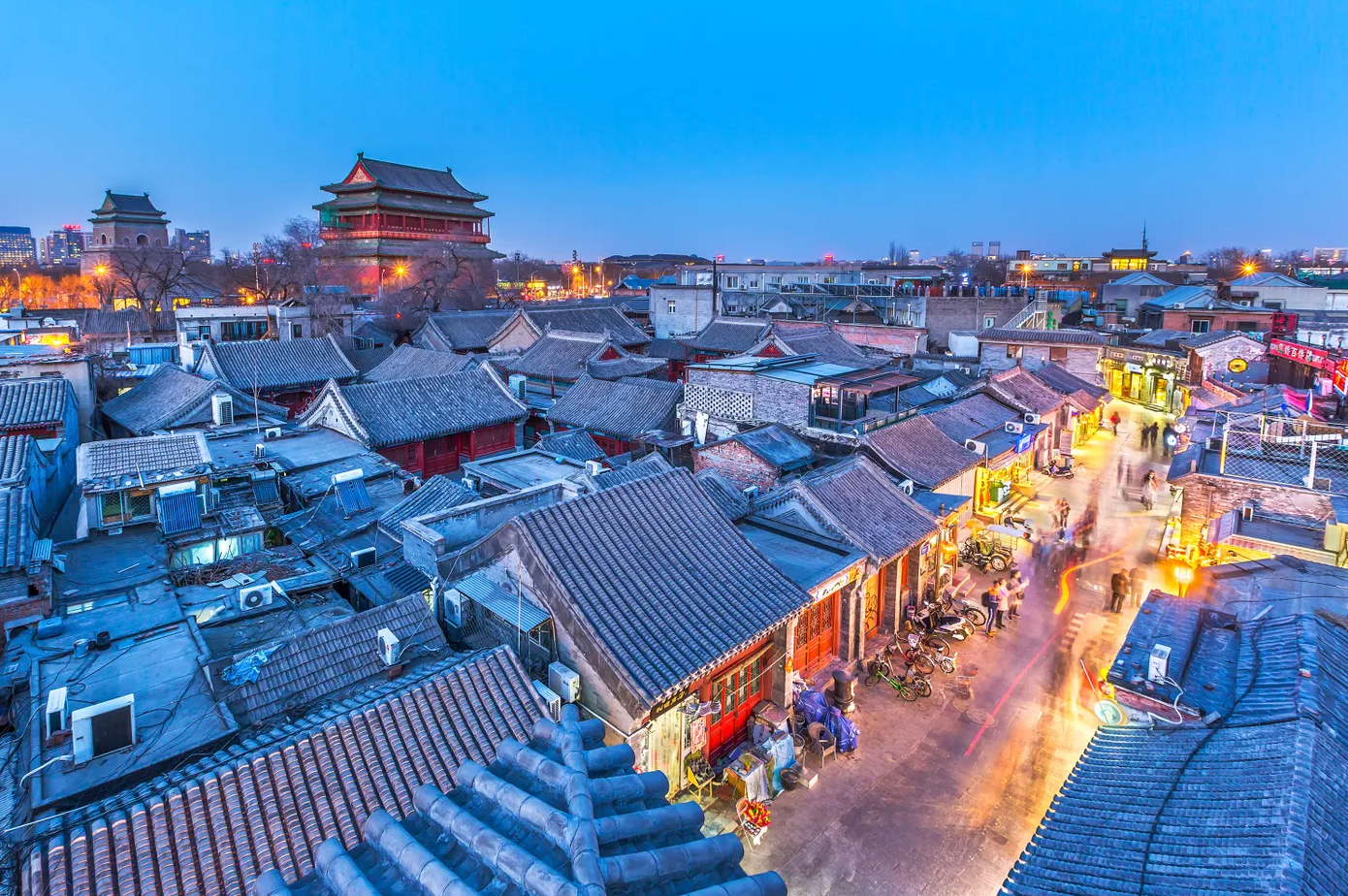
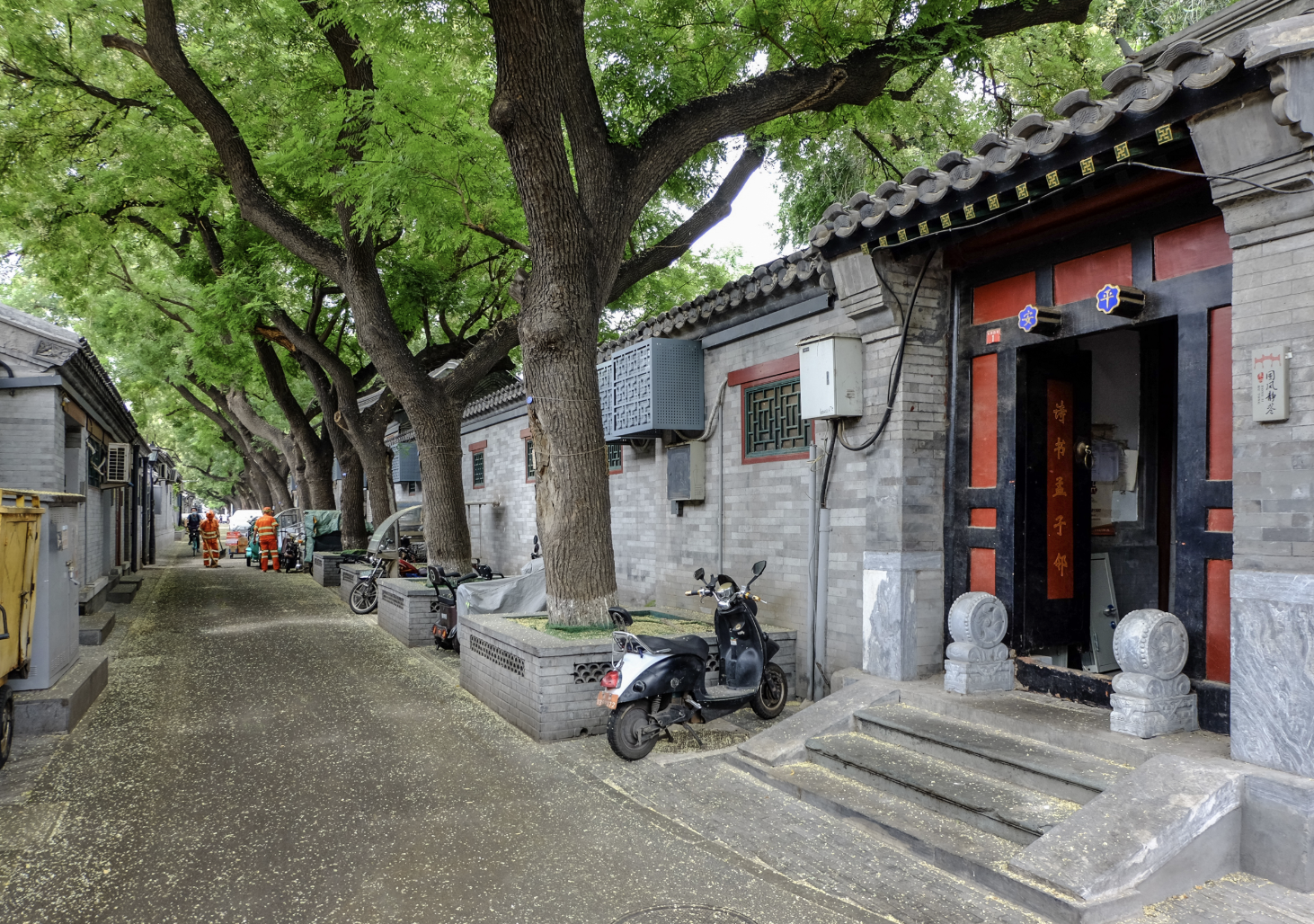
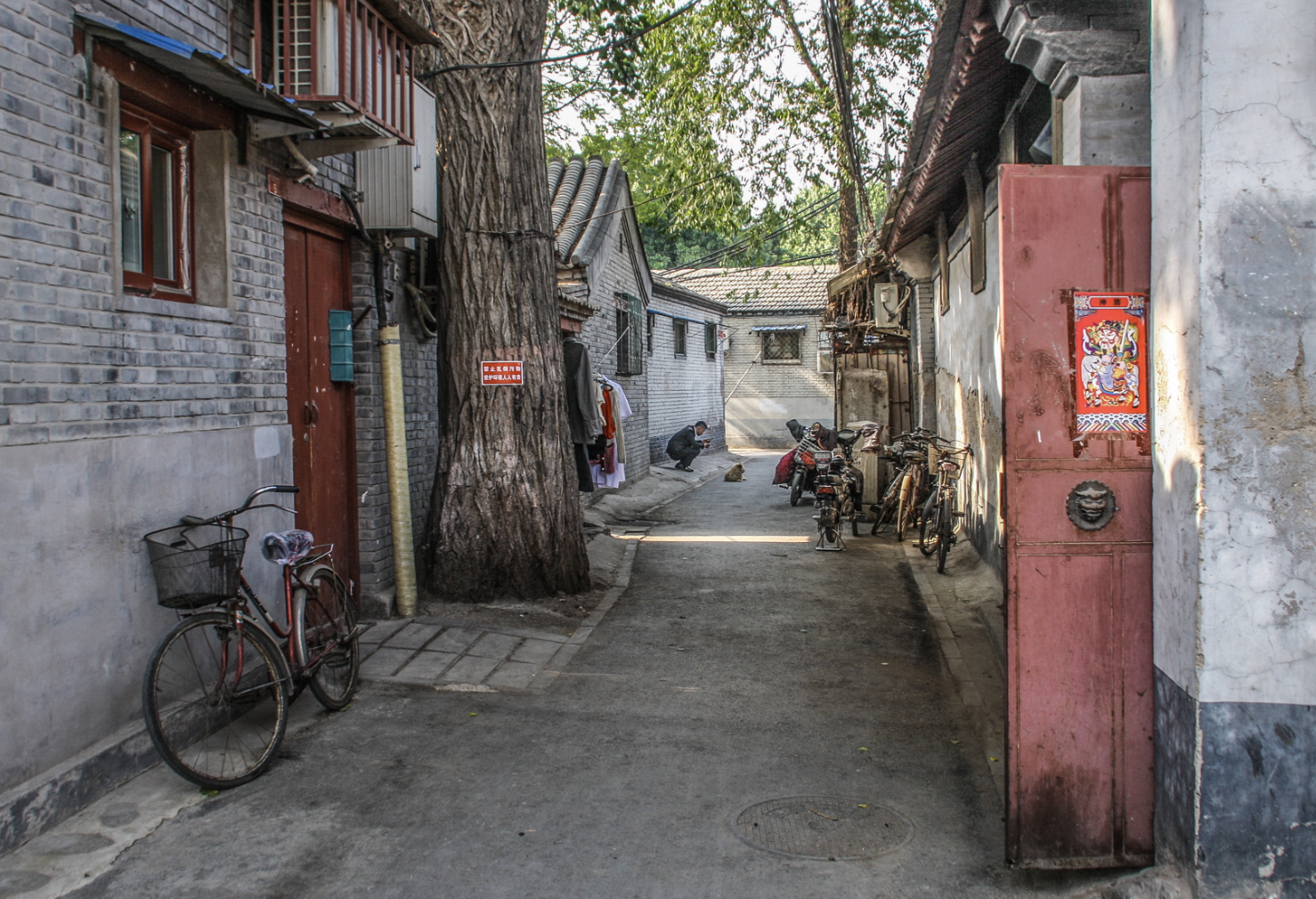
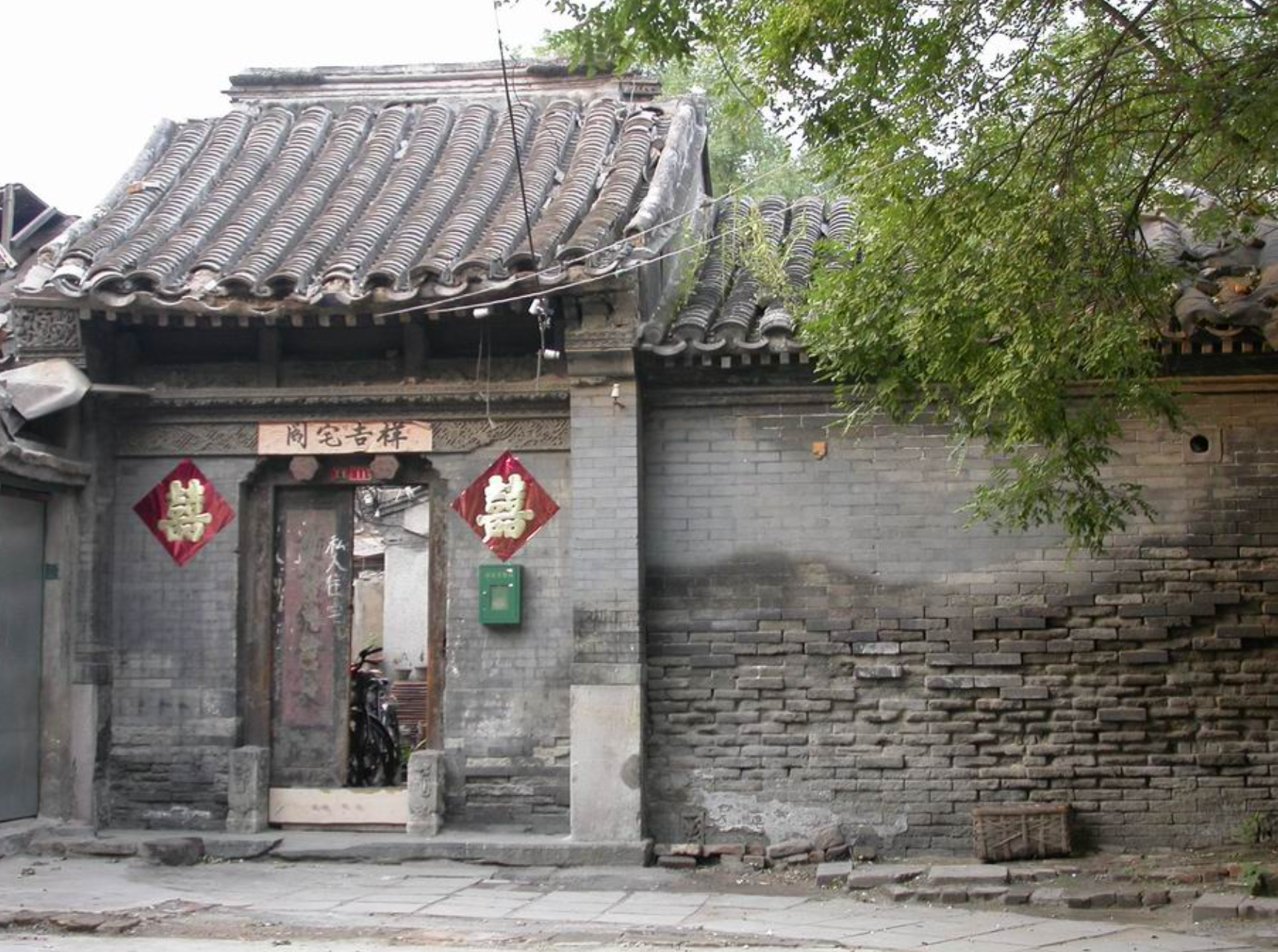
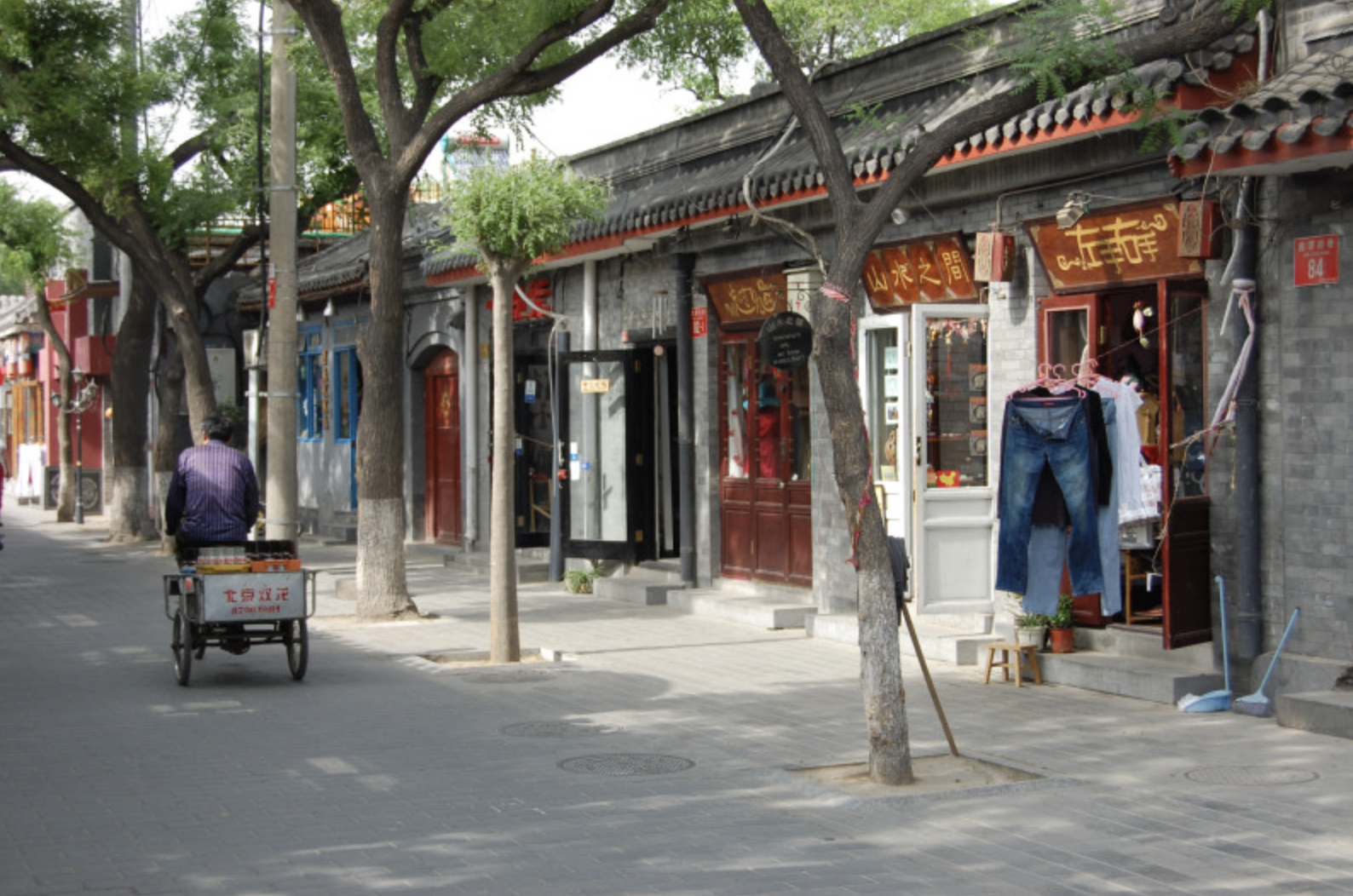
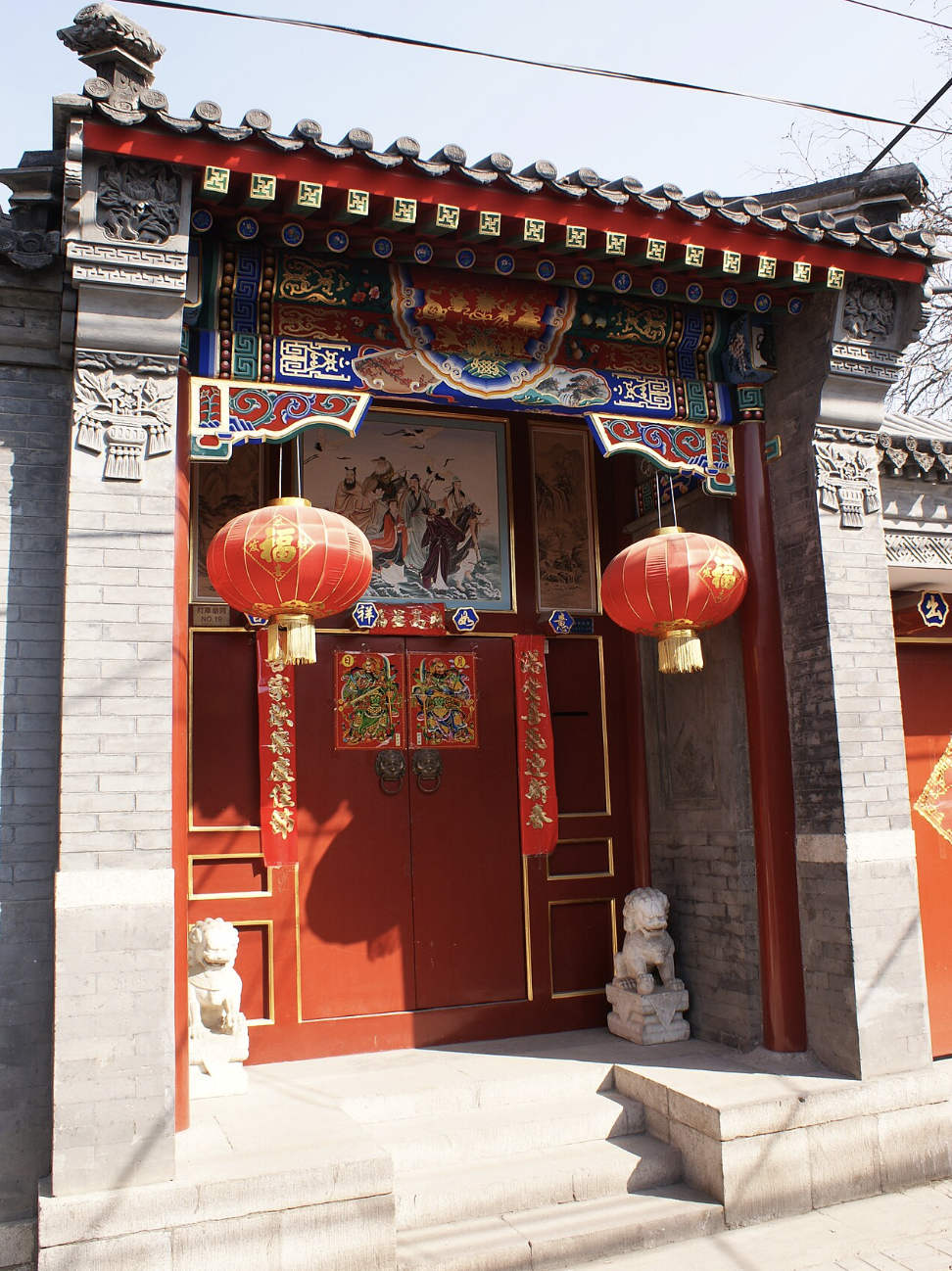
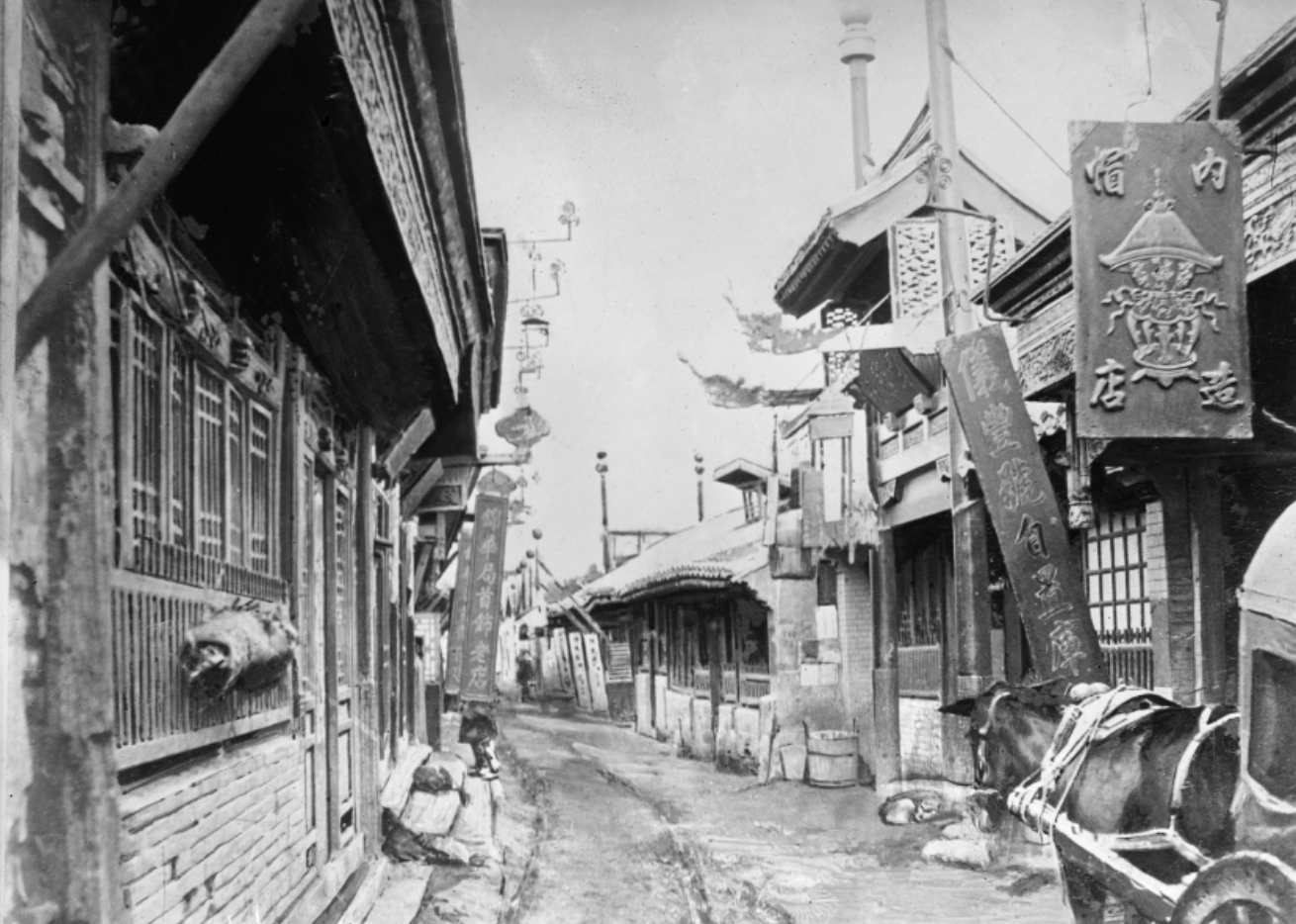
Hutongs are narrow streets or alleys formed by lines of siheyuan, traditional courtyard residences. They are typically found in northern Chinese cities, especially Beijing. Many neighbourhoods were formed by joining one siheyuan to another to form a hutong, and then joining one hutong to another. The hutongs are generally straight and run east to west so that doorways face north and south for good Feng Shui.
During China's dynastic period, emperors planned the city of Beijing on a strict orthogonal grid system and arranged the residential areas according to the social classes. The term "hutong" appeared first during the Yuan Dynasty, which is Mongolian meaning "water well". The majority of the hutongs still in Beijing today were significantly expanded and built during the later Ming and Qing dynasties, however today they are disappearing and being replaced by high-rise buildings.
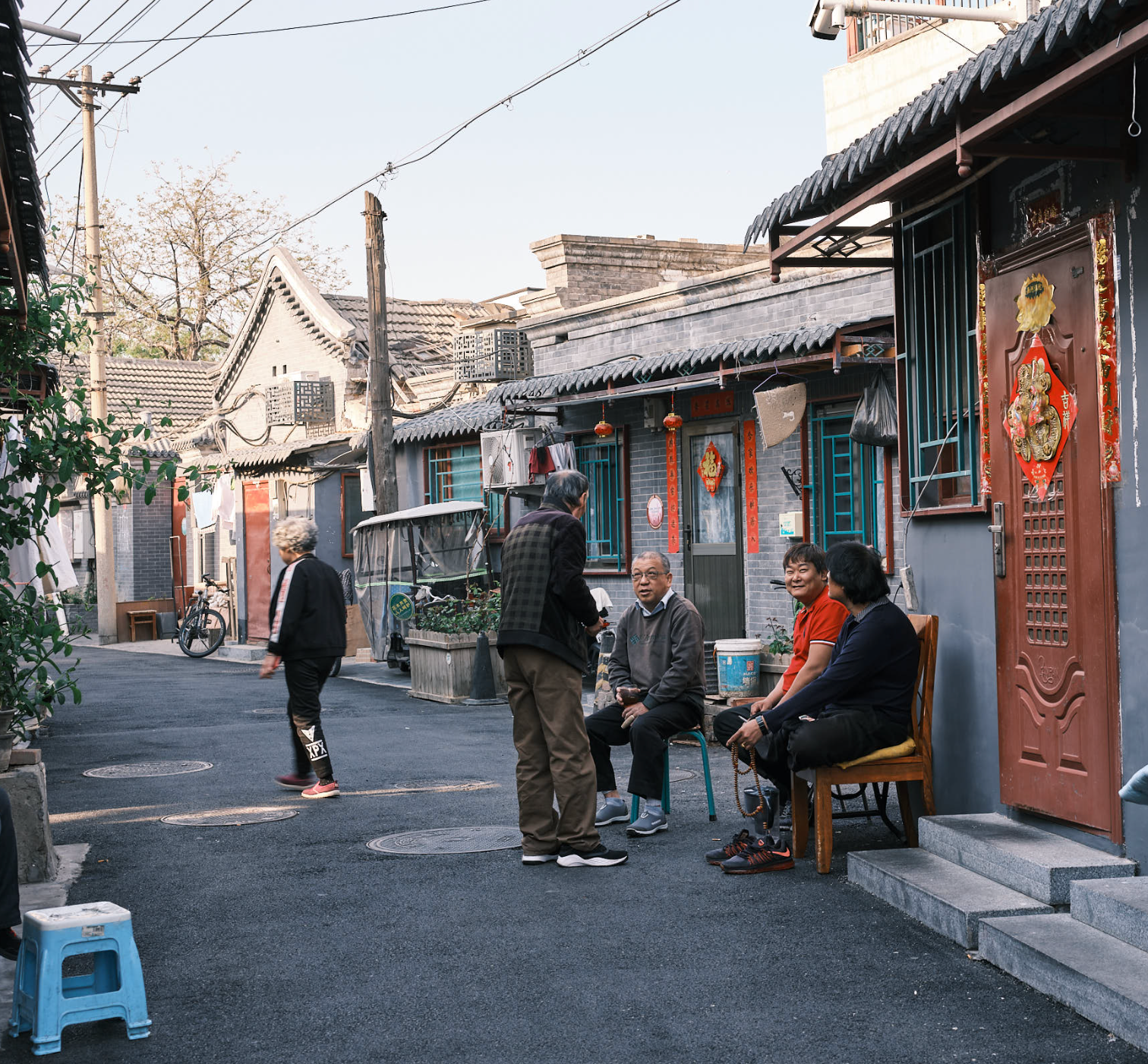
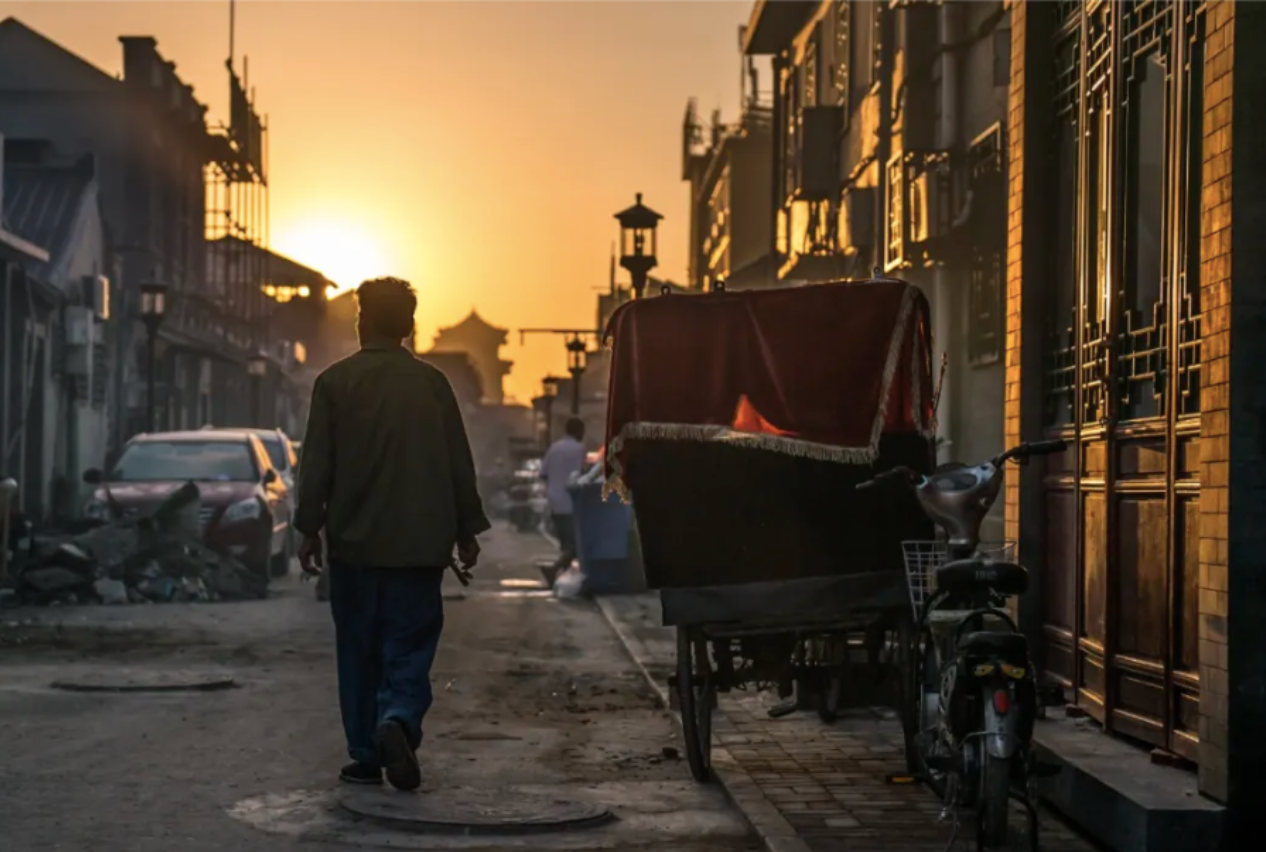
Hutongs represent an important cultural element of the city of Beijing. Thanks to Beijing's long history and status as capital for six dynasties, almost every hutong has its stories. In contrast to the court life and elite culture represented by the Forbidden City, Summer Palace, and the Temple of Heaven, the hutongs reflect the culture of grassroots Beijingers. The hutongs are residential neighbourhoods which still form the heart of Old Beijing.
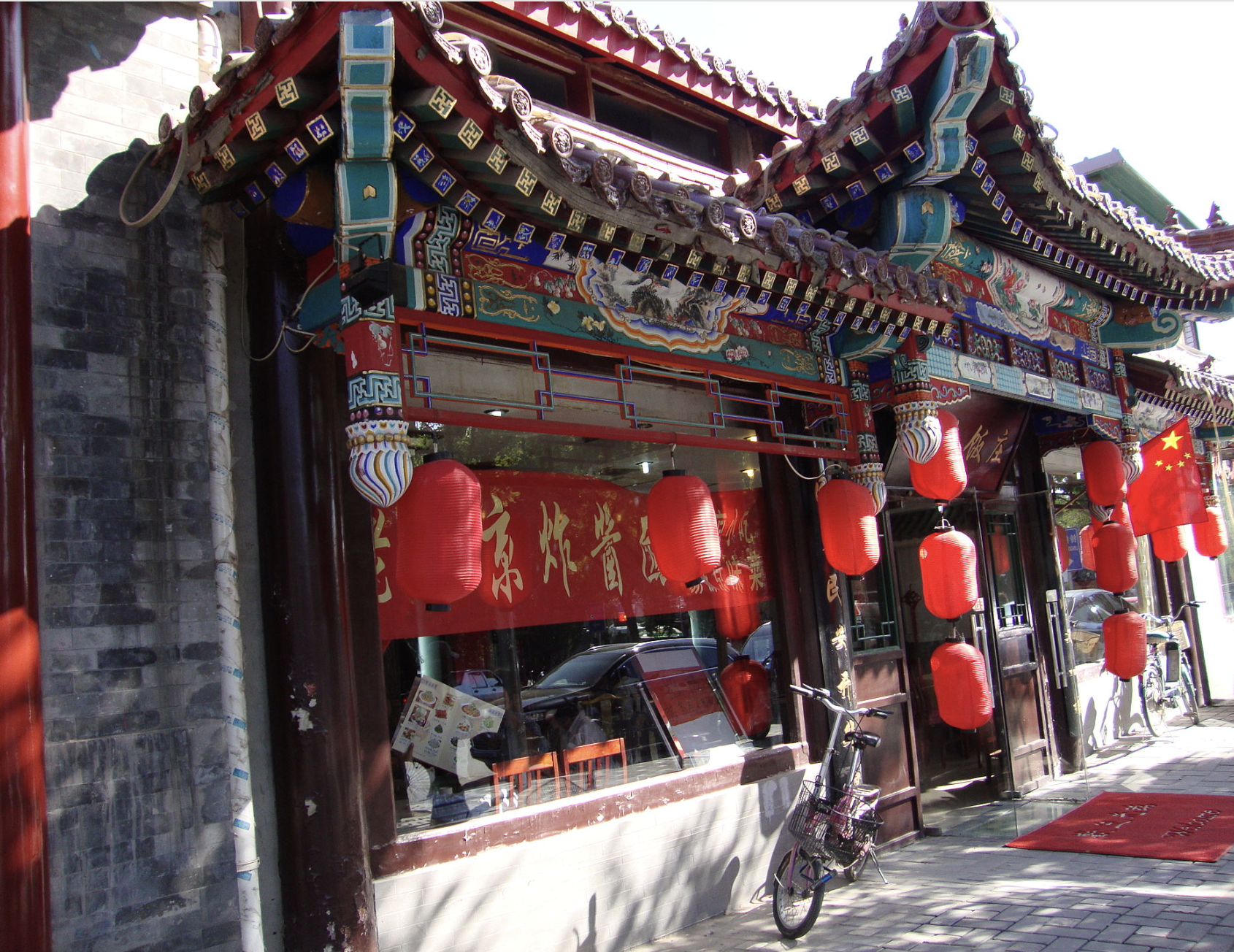
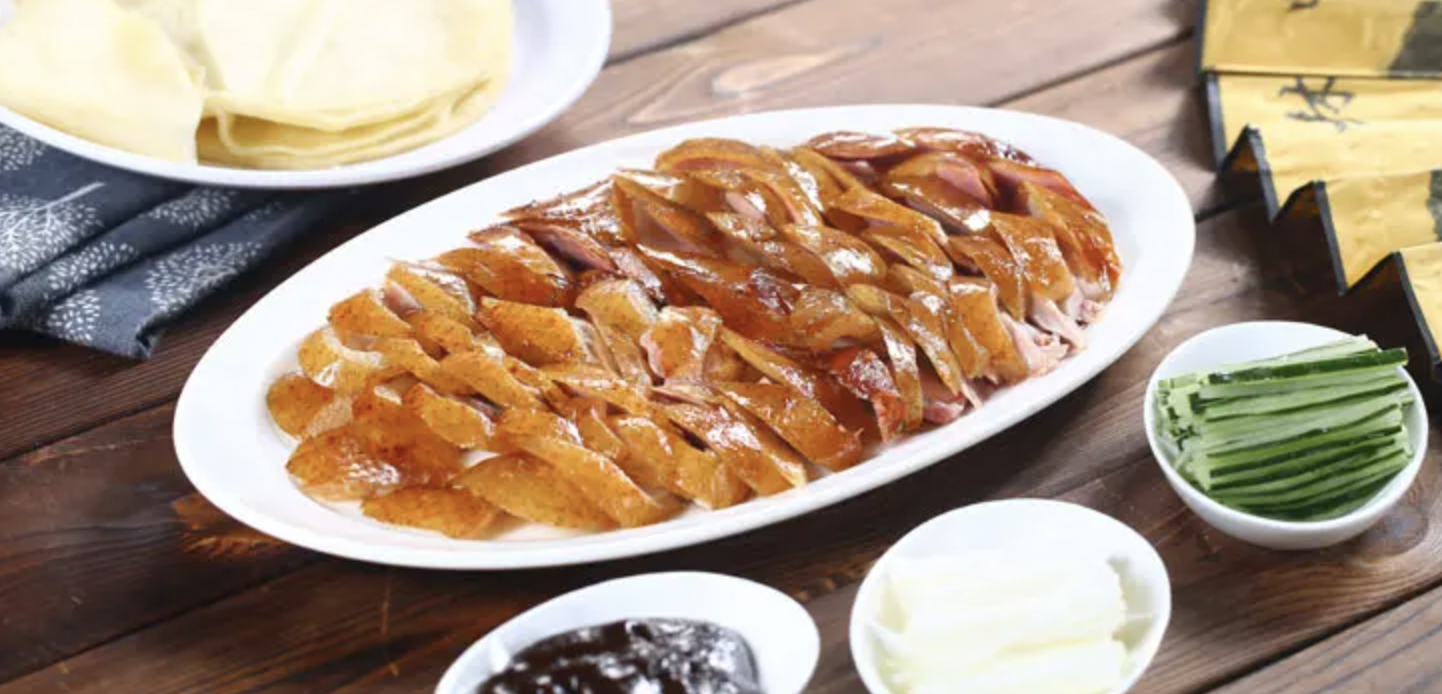
The legendary Peking Duck is great in a local restaurant in one of Beijing's hutongs!